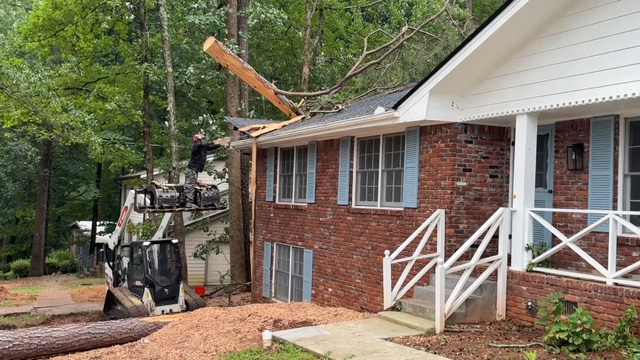
Safety Comes Before Cleanup
A fallen tree can create several hazards at once. The impact may damage the roof, walls, windows, electrical service, gas lines, structural framing, or other parts of the building. Even if the tree appears stable, broken limbs can shift, damaged roofing can collapse, and hidden electrical hazards may still be present. If a tree has struck your home, keep people and pets away from the impact area until emergency personnel or the appropriate specialists determine that it is safe.
Do not climb onto a damaged roof, cut a tree that is resting on the building, or enter rooms with visible structural movement. Tree removal and structural stabilization should be handled by qualified professionals. Mitigate First focuses on the resulting property damage after the immediate tree and structural hazards have been made safe.
Check for Openings That Can Let Water Inside
Storm-related tree damage often creates an opening in the building envelope. Broken shingles, punctured roof decking, damaged siding, cracked windows, or displaced exterior materials can allow rain to enter the property. Water may run through insulation, wall cavities, ceilings, and framing before reaching the room where it finally becomes visible.
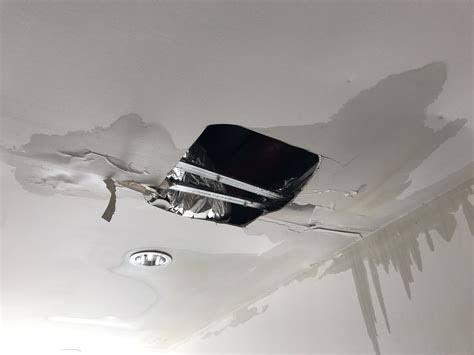
Even after the rain stops, wet materials can remain inside the structure. A ceiling stain may be only the visible end of a larger moisture path. Once the exterior hazard is controlled and the building is safe to access, the interior should be assessed for water intrusion and hidden moisture.
Document the Damage From a Safe Location
Take photos or video of the damage if you can do so without entering a dangerous area. Capture the exterior impact, visible openings, interior water, damaged ceilings, wet floors, and affected belongings. Do not climb over debris or stand beneath unstable branches just to get a better picture. Safety is more important than documentation.
Keep records of emergency work, tree removal, temporary stabilization, mitigation, and other services performed. If insurance may be involved, contact the carrier and ask what information is needed under the policy. Mitigate First can document mitigation work and communicate with insurance carriers when appropriate coverage applies, but coverage decisions remain with the policy and carrier.
Why Temporary Stabilization Matters
Once the tree has been safely removed or secured, damaged exterior areas may need temporary protection to reduce additional weather exposure. The exact work depends on the damage and should be performed by the appropriate contractor. The goal is to prevent a roof, wall, window, or other opening from continuing to admit rain while interior mitigation is underway.
Temporary stabilization does not replace permanent repair. It creates a safer, more controlled situation so water damage can be assessed and the property can move toward restoration. Interior mitigation and exterior repair often need to be coordinated rather than treated as unrelated projects.
Address Interior Water Damage Quickly
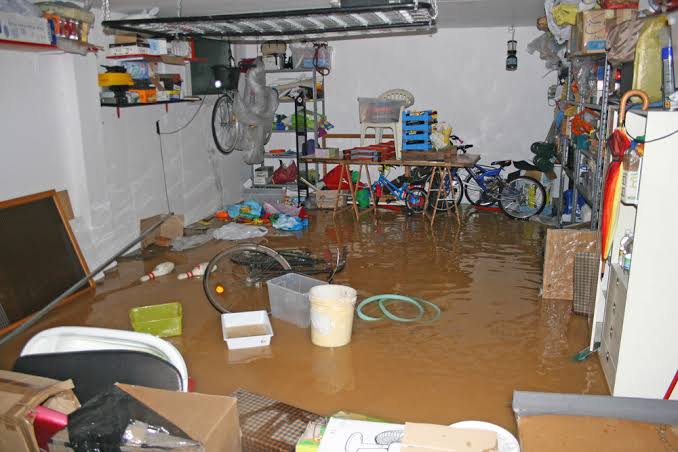
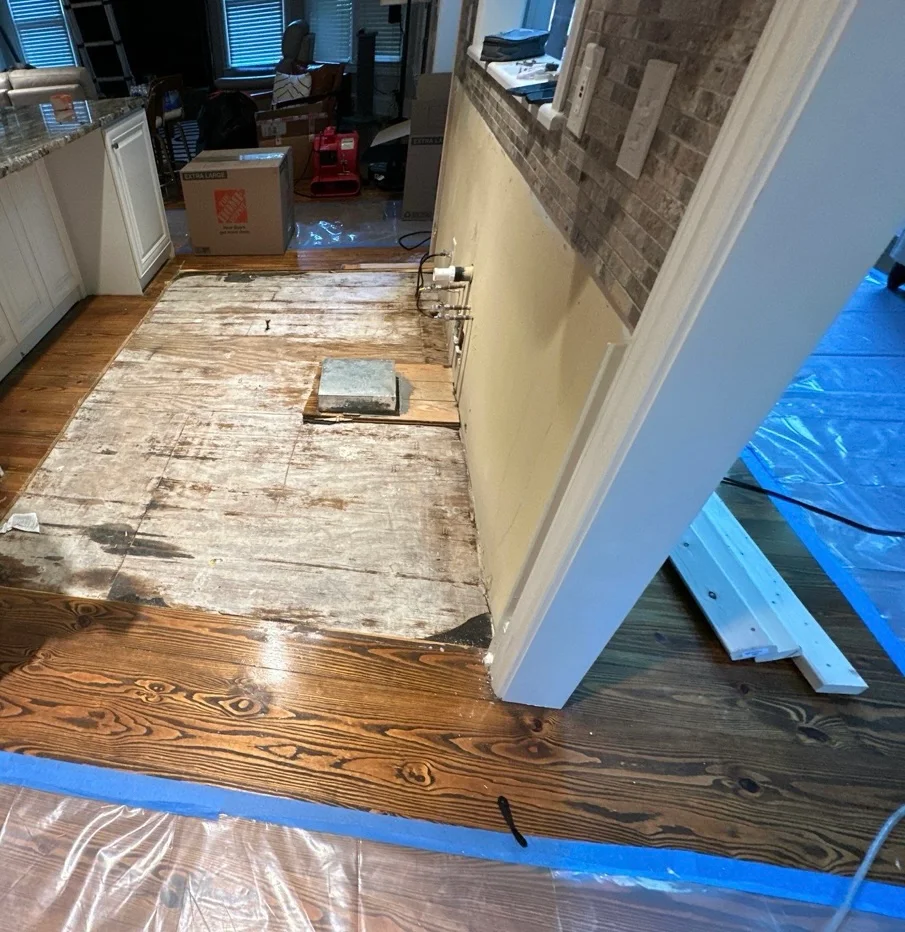
If rain entered through the damaged area, standing water should be removed and wet materials assessed as soon as practical and safe. Water can soak carpet, hardwood, subflooring, drywall, insulation, ceilings, cabinets, and framing. Some materials may be suitable for drying, while others may be too damaged to reasonably restore.
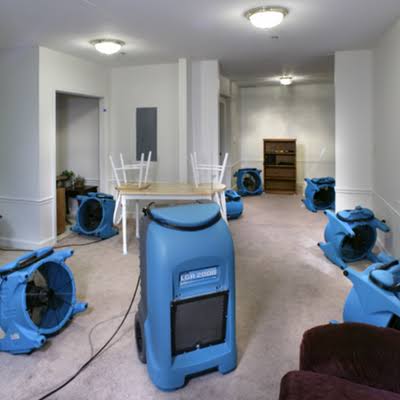
Professional water extraction removes bulk water, while structural drying and dehumidification address moisture left in building materials and the air. Moisture readings can help identify areas that still need attention even when the room looks dry. This is particularly important after roof or wall openings because water may have traveled through hidden cavities before reaching the interior surface.
Watch for Delayed Signs of Moisture
Not every storm-related leak shows up immediately. Over the next several hours or days, you may notice new ceiling stains, bubbling paint, softened drywall, warped flooring, musty odors, or damp insulation. These signs can indicate that water moved farther into the building than expected.
If you notice new damage after the initial cleanup, have the area reassessed rather than assuming it will dry on its own. Hidden moisture can remain behind walls or above ceilings even after visible water has been removed. A targeted moisture assessment can help determine whether additional drying is needed.
Do Not Rush Permanent Repairs Before Moisture Is Addressed
Once the exterior is secured, there can be pressure to close walls, replace ceilings, or install new finishes immediately. Permanent repair should not trap moisture inside the structure. If rainwater reached framing, insulation, drywall, subflooring, or other materials, those areas may need drying or removal before the rebuild is completed.
Coordinating mitigation with repair work helps avoid covering a hidden moisture problem. A property can look ready for reconstruction while materials inside a cavity are still damp. Confirming moisture conditions before closing the area gives the restoration process a stronger foundation.
Before permanent repairs begin, keep a simple record of which rooms were affected, where water entered, what materials were removed, and when drying was completed. This information helps contractors understand the sequence of work and can reduce confusion when several trades are involved after the same storm.
Tree Damage Mitigation in Metro Atlanta
Storm damage can feel chaotic because tree removal, exterior repair, water cleanup, documentation, and insurance communication may all be happening at the same time. Breaking the response into steps makes it easier: protect people first, make the tree and structure safe, control weather exposure, then address the resulting interior damage.
Mitigate First provides 24/7 storm and tree damage mitigation for homes and businesses throughout Atlanta and nearby Metro Atlanta communities. Once immediate hazards have been handled, our team can assess water intrusion, remove standing water, dry affected materials, and document the property damage. Call (678) 640-3089 or request a free damage inspection online.