
Wet basement help
Basement Flood Cleanup in Atlanta, GA
Basements hold water and humidity longer than any room in the house. We get the water out, dry the walls and slab properly, and keep the musty smell from moving in.
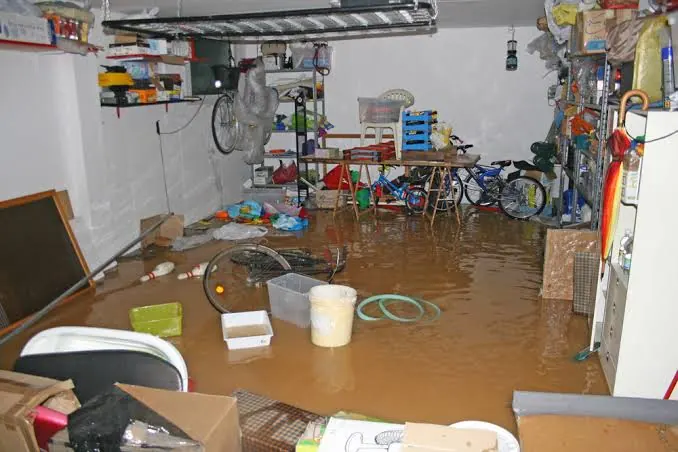
A finished basement floods differently than the rest of the house. Water sits on the slab, soaks the carpet pad, and climbs the drywall and wood bottom plates, and with little airflow and no sun down there, it stays wet. Atlanta's red clay holds rainwater against foundation walls, and after a heavy thunderstorm that pressure can push water through cracks and the joint where the wall meets the floor. Basement flood cleanup in Atlanta has to deal with all of it.
First we find out where the water came in: a failed sump pump, a water heater, a backed-up floor drain, or groundwater through the wall. That tells us the water category and what can be kept. Then we extract, pull wet pad, flood-cut drywall that wicked, and set equipment sized for a below-grade space. Basements need more dehumidification than upstairs rooms, so we plan for it from the start.
Stored boxes, furniture, and keepsakes matter too. We help you sort what can be dried from what has to go, and photograph it for the claim. Groundwater and surface flooding are often excluded from standard homeowner policies, while a burst water heater or pipe often is not, so the cause matters and we document it clearly. If the water came up through a drain, read about sewage backup cleanup.
Call us if you notice
- Standing water on the slab or carpet squishing underfoot
- A wet line along the bottom of drywall or baseboards
- Water seeping in where the wall meets the floor after rain
- A sump pump that quit or a water heater that let go
- A musty, earthy smell when you open the basement door
- Stored boxes wet on the bottom or white residue on the walls
Right now, if it's safe
- Do not walk into a flooded basement if water is near outlets, the panel, or appliances. Call first.
- If your panel is upstairs and dry, switch off the basement circuits before going down.
- Carry boxes, rugs, and electronics upstairs or onto shelves above the water line.
- Check the sump pump: make sure it has power, the float moves freely, and the discharge is clear.
- Photograph the water level against a wall or stair, and the source if you can see it.
How we handle basement flood cleanup
- 01
Find the entry point
We find where the water came from, whether a pump, heater, drain, or the wall itself, and determine the water category.
- 02
Extract and clear
Commercial extractors remove standing water from the slab and carpet. Wet pad and ruined materials come out.
- 03
Flood cut and open
We cut drywall above the wet line and pull wet insulation so the bottom plates and the wall behind can dry.
- 04
Dry below grade
LGR dehumidifiers and air movers sized for basements run until the slab, framing, and walls reach dry standard.
- 05
Treat and verify
Where needed, we apply antimicrobial to exposed framing and slab, then confirm dry readings before repairs begin.
Why Atlanta calls Mitigate First
Sized for below grade
Basement air stays cool and damp, so we plan for more dehumidification than an upstairs job, and we measure it daily.
Source before solution
Knowing whether it was a pump, heater, drain, or groundwater decides what is safe to keep and how the claim is written.
Straight talk on belongings
We tell you which belongings and finishes can be dried and which are not worth it, so the decision is yours.
5.0 on Google
Real reviews from people we have helped
I had a great experience with Mitigate First. They were professional, responsive, and easy to work with throughout the process. It’s not always easy to find a company you can trust when dealing with water damage, but they made the experience much less stressful. I really appreciate their hard work and would definitely recommend them to anyone in need of their services
Called Mitigate First for a flood restoration job and they were on-site fast, walked me through exactly what needed to happen, and had the water out and the space dried properly without any surprises. Pricing was fair and clear up front — no padding, no change orders. Would use them again and already have them saved as my go-to.
Had a leak in my bathroom, and Mitigate First came out immediately and was great! Levi and Moysh were awesome! They are super knowledgeable and professional, and helped me through the whole process. Definitely recommend!
Questions
Basement Flood Cleanup FAQ
Does insurance cover a flooded basement?
It depends on where the water came from. Water from a burst pipe or water heater is often covered, while groundwater and outside flooding usually are not under a standard policy. Sump pump failure is often a separate add-on. We document the source clearly so your adjuster sees what happened.
Why does my Atlanta basement take on water after heavy rain?
Georgia red clay drains slowly, so after a big thunderstorm the soil around your foundation stays saturated and presses water against the walls. That pressure finds cracks, form tie holes, and the joint at the bottom of the wall. We dry the damage and tell you what we saw, so a waterproofing contractor can address the cause.
Can I save the carpet in my basement?
If the water was clean and we get to it quickly, the carpet itself can sometimes be dried. The pad almost always gets replaced. If the water came up through a floor drain or in from outside, the carpet should go.
Will my basement smell musty after it is dried?
Not if it is dried properly. That smell comes from moisture left in pad, drywall, and framing, which is exactly what we remove and measure. If an older smell was there before the flood, we will tell you what we find.
Why does a basement take longer to dry than other rooms?
Concrete holds a lot of water, and basement air is cooler and damper, so evaporation is slower. Most basements need a day or two more than an above-grade room. We check readings daily and take equipment out only when everything reads dry.
Related
Other ways we can help
Basement Flood Cleanup across Georgia, including these metro Atlanta cities:
Answering now, 24/7
Day or night, one call gets it handled.
Talk to a real person right now, anywhere in Georgia. Free on-site assessment, and we work directly with your insurance company.