
Find the hidden water
Leak Detection in Atlanta, GA
A stain, a smell, or a jump in your water bill means water is where it should not be. We find it, trace it to the likely source, and stop the damage.
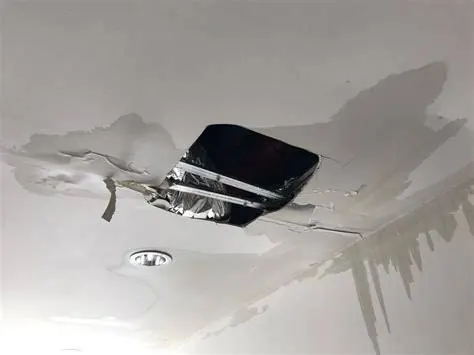
Hidden leaks do the most damage because nobody sees them. A pinhole in a supply line inside a wall, a drain line dripping under a tub, an AC condensate line overflowing in the attic, or a shower pan failing slowly can soak framing and subfloor for weeks. By the time a stain shows, mold may already be starting. Leak detection in Atlanta means finding that water fast, before a small repair turns into a gut job.
We find water the way it actually travels. Thermal imaging shows the cool pattern of wet material behind drywall and across ceilings, moisture meters confirm it, and we follow the readings from the wettest point back toward where they start, along joists, pipes, and under flooring. That narrows down the likely source, whether it is plumbing, an appliance, a window, or the roof, without opening walls at random. If we need to look inside, we open one small, targeted spot.
We are not plumbers, and we do not dig up slabs. When the source is a pipe, we recommend a plumber we trust and show them where to look, which saves time and drywall. Then we dry everything the leak touched. If the water came from your air conditioner, see AC leak cleanup. Documenting the source and the spread also helps your adjuster understand what happened.
Signs of a hidden leak
- Your water bill went up and your habits did not change
- A stain or soft spot on a ceiling, wall, or floor
- Paint bubbling or peeling, or wallpaper lifting at the seams
- A musty smell in one room, closet, or cabinet
- Damp spots in flooring, or tiles that have come loose
- The sound of running water when everything is off
Right now, if it's safe
- Turn off every faucet and appliance, then check the water meter. If it still moves, you likely have a leak.
- If you see active water, shut off the main valve until the source is found.
- Check under sinks, behind toilets, around the water heater, and at the AC drain pan.
- Put a bucket under drips and move belongings away from stained walls and ceilings.
- Do not cut into walls hunting for it. We can usually find it with fewer, smaller openings.
How we handle leak detection
- 01
Read the clues
Stains, smells, sounds, and your water bill tell us where to start and what kind of leak to suspect.
- 02
Thermal scan
Thermal imaging scans walls, ceilings, and floors for the cool patterns that wet materials leave behind.
- 03
Trace with meters
Moisture meters confirm the wet area and follow readings from the wettest point back toward the source.
- 04
Pinpoint the source
We narrow it to the likely source, such as plumbing, an appliance, a window, or the roof, and open a small spot only if needed.
- 05
Dry and coordinate
We recommend the right trade to repair the source, then dry and document everything the leak reached.
Why Atlanta calls Mitigate First
Follow the water, not guesses
We trace readings through the structure, so any opening we make is the one that matters.
Fewer holes in your walls
Thermal imaging and meters find the wet area first, so openings stay small and targeted.
Find it, then dry it
A plumber fixes the pipe. We find the water, give the plumber a target, and dry everything the leak soaked.
5.0 on Google
Real reviews from people we have helped
I had a great experience with Mitigate First. They were professional, responsive, and easy to work with throughout the process. It’s not always easy to find a company you can trust when dealing with water damage, but they made the experience much less stressful. I really appreciate their hard work and would definitely recommend them to anyone in need of their services
Called Mitigate First for a flood restoration job and they were on-site fast, walked me through exactly what needed to happen, and had the water out and the space dried properly without any surprises. Pricing was fair and clear up front — no padding, no change orders. Would use them again and already have them saved as my go-to.
Had a leak in my bathroom, and Mitigate First came out immediately and was great! Levi and Moysh were awesome! They are super knowledgeable and professional, and helped me through the whole process. Definitely recommend!
Questions
Leak Detection FAQ
How much does leak detection cost in Atlanta?
Our on-site assessment is free, and that includes reading the area and telling you where the water is and where it most likely came from. If drying or material removal is needed, we explain the scope and pricing up front, before any work starts.
Can you find a slab leak or an underground leak?
We can find water that has come up into flooring, walls, and the rooms around it, which often points toward where a leak is. We do not excavate slabs or locate leaks in yards, pools, or gas lines. For those, we can recommend a specialist and then dry the damage inside.
Will you have to cut holes in my walls?
Sometimes, but they are small and targeted. Thermal imaging and meters show where the water is, so if we need to look inside a wall or ceiling, we open one spot instead of several. Many leaks are traced without opening anything.
Does insurance pay for leak detection?
Some policies help with the cost of finding a leak when it caused covered damage, and some do not. The water damage itself is usually the larger part of the claim. We document the source and how far the water spread, which is what adjusters ask for.
What if the leak turns out to be the roof or a window?
Then we tell you that, show you the path the water took, and recommend a roofer or contractor to fix it. We dry and document the damage inside while they repair the source.
Related
Other ways we can help
Leak Detection across Georgia, including these metro Atlanta cities:
Answering now, 24/7
Day or night, one call gets it handled.
Talk to a real person right now, anywhere in Georgia. Free on-site assessment, and we work directly with your insurance company.