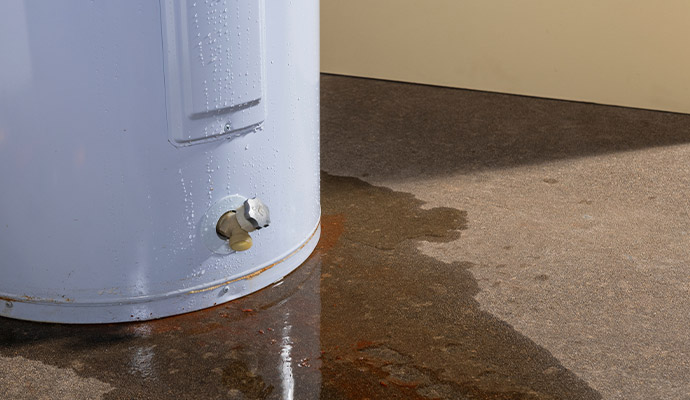
Water damage can happen quickly and often without much warning. A broken pipe, overflowing appliance, leaking water heater, roof issue, or severe storm can introduce a large amount of water into your property in a short period of time. Even when the visible water seems manageable, moisture can move beneath flooring, behind walls, inside cabinets, and into other areas that are difficult to see.
Knowing what to do immediately after water damage can make a major difference in how much of your property is affected. Acting quickly helps limit additional damage, reduces the amount of time building materials remain wet, and gives restoration professionals a better opportunity to dry and preserve affected areas.
Here are the most important steps to take after discovering water damage in your home or business.
1. Stop the Water Source When Possible
The first priority is stopping additional water from entering the property.
If the damage is coming from a broken pipe, appliance connection, sink, toilet, or another plumbing-related problem, shutting off the appropriate water valve may help stop the flow. In larger emergencies, it may be necessary to turn off the main water supply.
If the source involves a plumbing, roofing, HVAC, or appliance problem that requires repair, contact the appropriate professional as soon as possible.
Property mitigation professionals typically focus on the resulting damage rather than repairing the mechanical source itself. Once the source is controlled, water extraction and drying can begin.
2. Think About Safety Before Entering the Area
Water damage can create hazards that may not be immediately obvious.
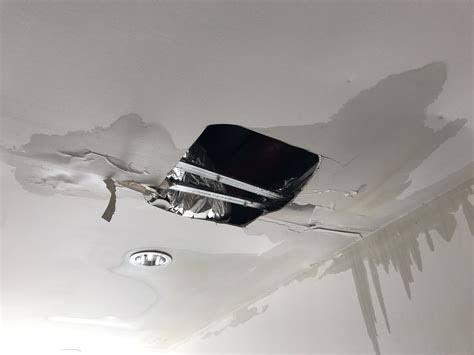
Standing water near electrical outlets, wiring, appliances, or electrical equipment should be treated cautiously. Sagging ceilings, weakened drywall, damaged flooring, and contaminated water can also create unsafe conditions.
Avoid walking through an affected area if you believe electricity may be involved or if structural materials appear unstable.
If you are uncertain whether the area is safe, waiting for trained professionals is better than taking unnecessary risks.
3. Move Important Items Away From the Water
If it is safe to do so, move furniture, electronics, documents, rugs, valuables, and other belongings away from the affected area.
Water can continue spreading through carpet, flooring, furniture, and porous materials even after the original leak stops.
Moving belongings early may reduce secondary damage and create better access for the mitigation team.
However, avoid moving extremely heavy furniture or entering areas where standing water presents a safety concern.
4. Do Not Assume the Visible Water Is the Entire Problem
One of the biggest mistakes property owners make is assuming that removing the visible puddle solves the problem.
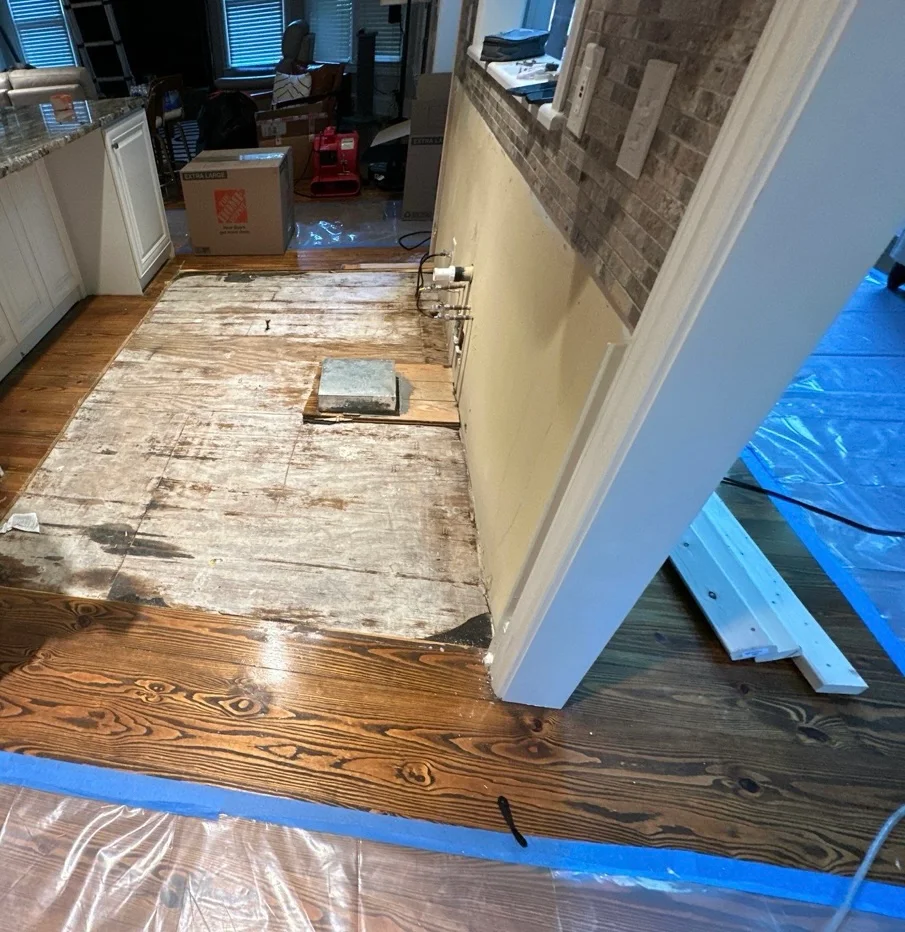
Water naturally follows cracks, seams, wall cavities, flooring transitions, and low areas. Moisture may travel underneath flooring or into neighboring rooms without being obvious on the surface.
Drywall, insulation, wood, carpet padding, cabinets, and subflooring can absorb significant amounts of moisture.
Professional moisture assessment helps determine how far the water traveled and which materials require attention.
5. Call a Water Damage Mitigation Company Quickly
Water damage is easier to manage when professional mitigation begins early.
Mitigate First provides 24/7 property damage mitigation throughout the Atlanta area for residential and commercial properties.
The first steps generally include inspecting the affected area, identifying moisture pathways, extracting standing water, evaluating wet materials, and developing an appropriate drying plan.
Professional mitigation is not simply about making the room look dry. The goal is to address moisture inside materials and concealed areas so the property can move toward a properly dried condition.
6. Remove Standing Water
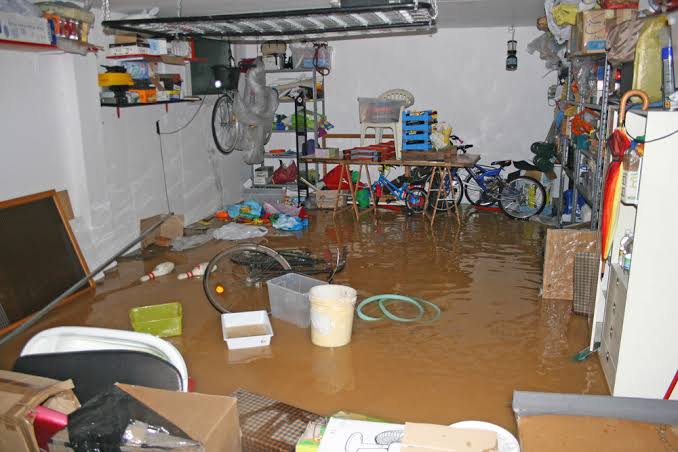
When a significant amount of water is present, extraction is usually one of the first major mitigation steps.
Professional extraction equipment can remove water much faster and more effectively than household towels, mops, or small wet vacuums.
Reducing standing water also allows the structural drying process to begin more efficiently.
Depending on the situation, water may need to be extracted from hard flooring, carpet, padding, or other surfaces.
7. Inspect Wet Building Materials
After visible water is removed, affected materials must be evaluated.
Some materials may be capable of drying in place, while others may need selective removal depending on their condition, contamination level, construction, and how much moisture they absorbed.
Common materials affected by water damage include:
- Drywall
- Baseboards
- Insulation
- Carpet and padding
- Hardwood or laminate flooring
- Cabinets
- Subflooring
- Ceiling materials
A professional mitigation team can determine which materials should be dried and which may require removal to allow surrounding areas to dry correctly.
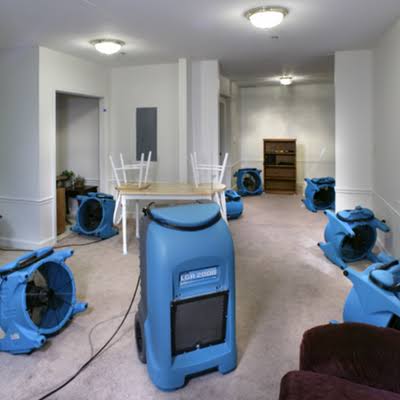
8. Begin Structural Drying and Dehumidification
Water extraction alone does not completely dry a property.
Moisture remaining inside building materials continues evaporating into the surrounding air. Professional air movers and dehumidifiers help create conditions that support controlled drying.
Air movement encourages moisture to leave wet surfaces, while dehumidification removes excess moisture from the air.
The equipment may remain in place for several days depending on the amount of water, materials affected, environmental conditions, and progress of the drying process.
9. Monitor Moisture Levels
Professional drying should be monitored rather than based only on how something looks or feels.
A wall can appear dry on the surface while moisture remains deeper inside the material.
Mitigation technicians use moisture readings and inspections to track drying progress and determine when equipment can be adjusted or removed.
Monitoring helps ensure that areas are not considered dry prematurely.
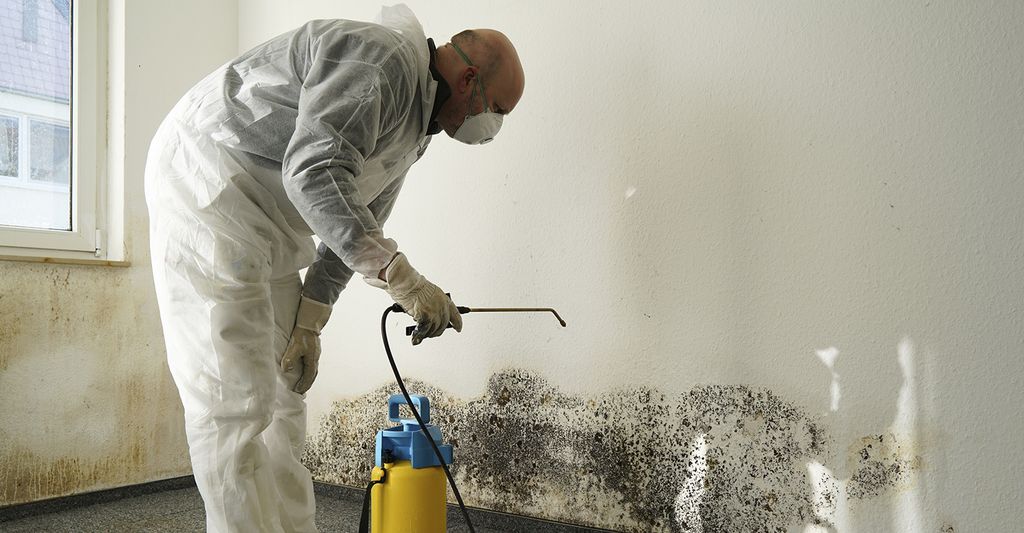
10. Watch for Signs of Mold or Lingering Moisture
Moist environments can support mold growth, especially when moisture remains trapped in porous materials or concealed spaces.
Warning signs may include musty odors, discoloration, ongoing humidity, damp materials, or visible mold growth.
The best way to reduce mold risk after water damage is to address the moisture problem quickly and thoroughly.
If mold is already present, professional mold remediation may be necessary.
11. Document the Damage
Photographs and documentation can be helpful, particularly when the loss may involve an insurance claim.
Take pictures of affected rooms, damaged materials, standing water, and belongings when it is safe to do so.
Professional mitigation companies may also document moisture conditions, affected areas, and work performed during the project.
Mitigate First can communicate with insurance carriers when appropriate, helping property owners navigate the mitigation portion of an insurance-related loss.
Fast Action Can Make a Major Difference
Water damage rarely improves by simply waiting.
The longer moisture remains inside drywall, flooring, insulation, cabinets, and other materials, the greater the opportunity for additional damage.
If your Atlanta-area home or business experiences a broken pipe, flood, leak, appliance overflow, or another water emergency, professional mitigation can help bring the situation under control.
Mitigate First provides 24/7 emergency response, water extraction, moisture assessment, structural drying, dehumidification, and other property damage mitigation services.
If you discover water damage, address the source when possible, prioritize safety, and contact a mitigation professional quickly. Taking action early can help protect your property and create a clearer path toward recovery.