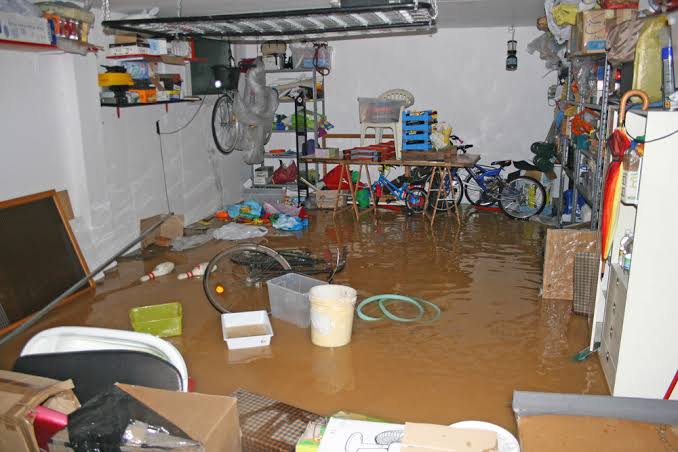
Not all water damage begins with a flooded room or an obvious broken pipe. In many homes and commercial properties, moisture can develop slowly behind walls, beneath flooring, above ceilings, or inside cabinets before anyone realizes there is a problem.
A small plumbing leak, appliance connection, HVAC condensation issue, roof leak, or previous water event can leave moisture trapped inside building materials. Because much of the damage may be concealed, property owners sometimes discover the problem only after materials begin changing or a musty odor appears.
Recognizing the early warning signs of hidden water damage can help you address the problem before it spreads.
Here are seven signs that your property may have moisture damage that deserves professional attention.
1. Musty or Damp Odors
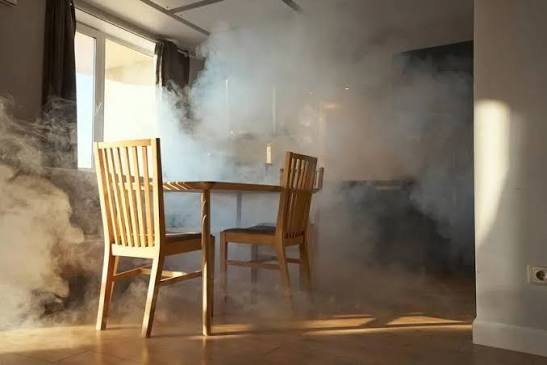
A persistent musty smell is one of the most common warning signs of hidden moisture.
You may notice the odor in a basement, bathroom, laundry room, closet, cabinet, or another enclosed area. In some cases, the smell becomes stronger when doors are closed or when humidity increases.
A musty odor does not automatically tell you where the moisture is located, but it can indicate that materials in the area have remained damp.
Water may be trapped behind drywall, beneath flooring, inside cabinets, or around insulation.
If the odor continues even after cleaning and ventilation, a moisture assessment may help identify the source.
2. Stains on Walls or Ceilings
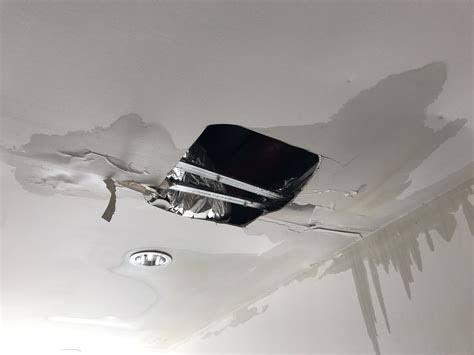
Brown, yellow, or dark stains on drywall or ceiling materials frequently indicate that water has reached the surface from somewhere else.
Ceiling stains may result from plumbing leaks, roof problems, bathroom fixtures, HVAC equipment, or water coming from an upper floor.
Wall stains may appear after hidden pipe leaks or moisture travels through a wall cavity.
Even when the stain feels dry, it is important to determine whether the source has been corrected and whether moisture remains inside nearby materials.
Painting over the stain without solving the underlying issue may hide the symptom without addressing the damage.
3. Bubbling, Peeling, or Soft Drywall
Drywall is highly absorbent.
When it becomes wet, you may notice bubbling paint, peeling finishes, swelling, softness, or changes in texture.
Baseboards can also separate from the wall or appear swollen when moisture reaches the lower portion of a wall.
These symptoms may indicate that water has entered the drywall or wall cavity.
Because moisture can spread beyond the visibly damaged section, professional moisture readings may be useful in determining the actual affected area.
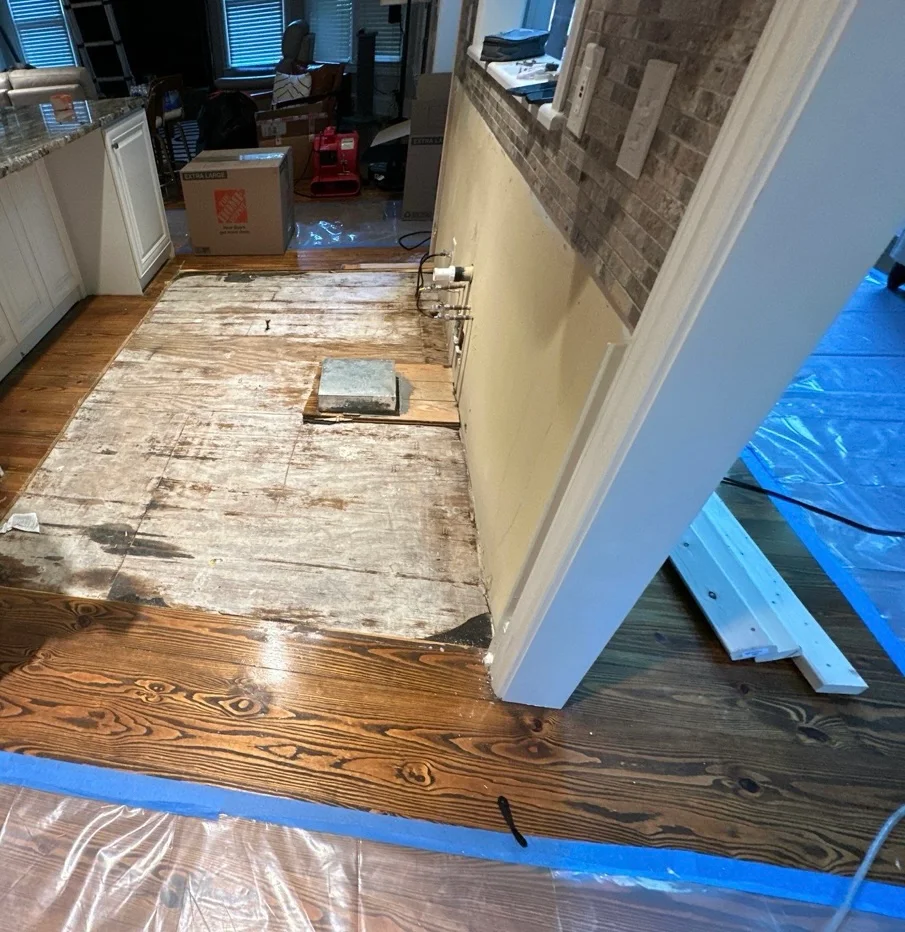
4. Flooring That Is Warping, Buckling, or Changing Shape
Flooring often provides important clues about hidden water damage.
Hardwood may cup, crown, separate, or become uneven after absorbing moisture. Laminate flooring may swell around seams or begin lifting. Tile itself may not absorb much water, but moisture can affect the adhesive, grout, or subfloor underneath it.
Carpet may feel damp, develop odors, or remain unusually cool in one area.
If flooring begins changing shape without an obvious reason, moisture below the surface may be responsible.
Ignoring these changes can allow damage to continue affecting flooring materials and the structure below them.
5. Unexpected Mold Growth
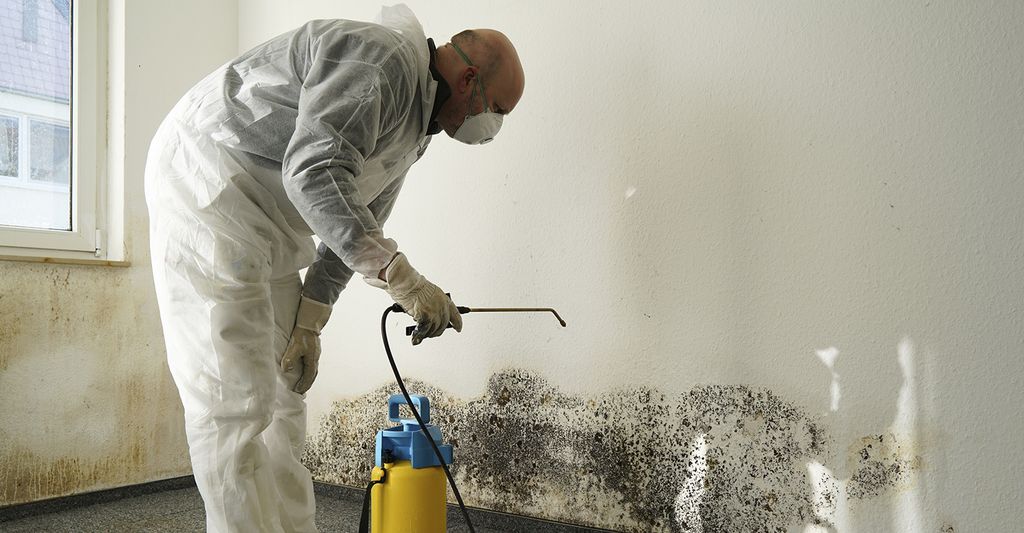
Visible mold may be a sign that moisture has remained in an area long enough to support microbial growth.
Mold can appear in many colors and forms, including spots or patches on drywall, ceilings, baseboards, cabinets, or other surfaces.
However, visible mold may represent only part of the affected area. Moisture can also support growth inside wall cavities or beneath flooring.
Simply cleaning the visible surface may not solve the underlying moisture problem.
Professional mold remediation focuses on identifying affected materials, controlling the work area, removing materials when necessary, and addressing the moisture conditions contributing to the problem.
6. Unusually High Indoor Humidity
A home that suddenly feels humid or uncomfortable may have more moisture inside than usual.
Windows may develop condensation, rooms may feel damp, and air conditioning may seem less effective at maintaining comfortable conditions.
While Atlanta naturally experiences periods of high outdoor humidity, unusual indoor moisture can also result from an unresolved water problem.
Wet building materials release moisture into the surrounding air as they dry.
Without proper air movement and dehumidification, that moisture may remain inside the property and slow the drying process.
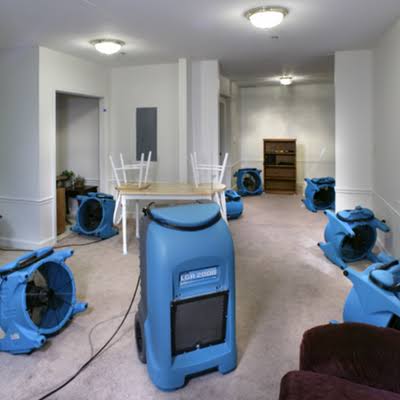
Professional dehumidification is often an important part of water damage mitigation because it helps remove excess moisture from the indoor environment.
7. A Previous Leak That Was Never Professionally Dried
Sometimes hidden water damage occurs after an obvious problem that seemed minor at the time.
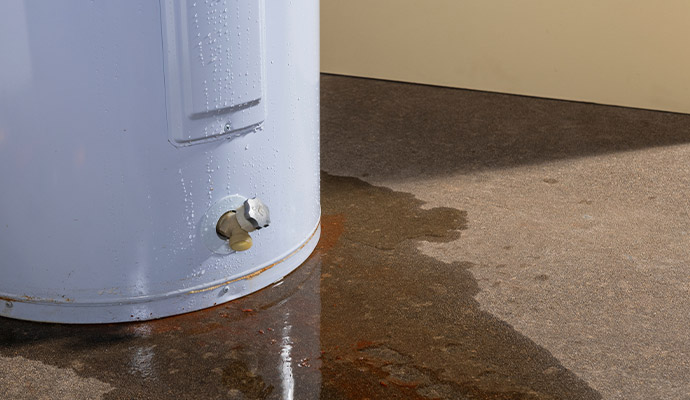
Perhaps a washing machine overflowed and the visible water was cleaned with towels. Maybe a pipe leaked briefly before being repaired. A water heater may have released water that was mopped up quickly.
The surface may have looked normal afterward, but moisture could have remained underneath flooring, behind baseboards, or inside drywall.
The fact that the water is no longer visible does not necessarily mean that all affected materials have dried.
If an area develops odors, discoloration, swelling, or mold after a previous water event, trapped moisture may be responsible.
Why Hidden Water Damage Should Be Taken Seriously
Moisture can travel farther than many property owners expect.
Water follows gravity, construction joints, flooring seams, wall cavities, and porous materials. A leak that begins in one location can affect several nearby areas.
Hidden moisture may damage drywall, insulation, flooring, cabinets, structural wood, and other building materials.
It can also create conditions that support mold growth.
Professional moisture assessment helps establish the boundaries of the affected area before a drying plan is created.
How Professionals Check for Moisture
Mitigation technicians use a combination of visual inspection, experience, and specialized moisture-detection equipment.
The process may involve checking:
- Walls and ceilings
- Flooring and subflooring
- Cabinets
- Baseboards
- Carpet and padding
- Areas around plumbing fixtures
- Rooms adjacent to the original loss
- Lower levels beneath affected areas
Once the extent of the moisture is understood, the team can determine whether extraction, structural drying, dehumidification, selective demolition, or other mitigation steps are appropriate.
The Importance of Professional Drying
Professional water damage mitigation involves more than removing visible water.
After extraction, controlled air movement and dehumidification are used to remove moisture remaining inside building materials and the surrounding air.
Technicians can continue checking moisture conditions throughout the process and adjust equipment as drying progresses.
The goal is to create a properly managed drying environment rather than simply waiting for affected materials to dry on their own.
When to Call Mitigate First
If you notice musty odors, water stains, warped flooring, soft drywall, mold growth, or another sign of hidden water damage, it is worth having the area professionally inspected.
Mitigate First provides moisture assessments, water extraction, structural drying, dehumidification, mold remediation, and other property damage mitigation services throughout Metro Atlanta.
The team is available 24/7 for property damage emergencies and offers free damage inspections.
Water damage is often easiest to manage when it is identified early. Paying attention to small changes around your property can help you discover moisture before the damage becomes more extensive.
When something does not look, smell, or feel right after a leak or water event, getting the area checked can provide clarity and help protect your property from further loss.