A Sewage Backup Is Different From an Ordinary Water Leak
When clean water from a supply line leaks into a room, the main concerns are usually extraction, drying, and the condition of the affected materials. A sewage backup is different because the water may contain contaminants that create additional health and cleanup concerns. Water from a toilet backup, drain overflow, sewer line problem, or other contaminated source should not be handled the same way as a simple dishwasher or plumbing supply leak.
If sewage or potentially contaminated water enters your home or business, avoid direct contact and keep children and pets away from the area. Do not walk through the water unless it is necessary for immediate safety. The source should be stopped or addressed by the appropriate plumbing or utility professional, and the property damage should then be evaluated with contamination in mind.
What Areas Can Be Affected?
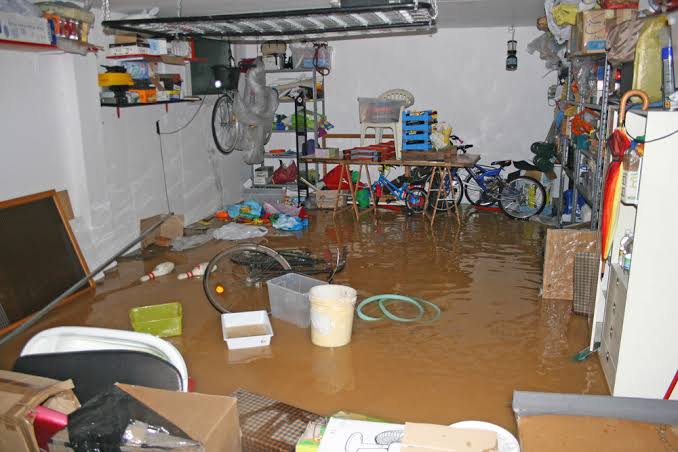
Contaminated water can spread farther than the visible puddle. It may move into flooring, baseboards, drywall, cabinets, wall cavities, carpet, padding, insulation, and other porous materials. If the backup occurs in a basement or lower level, water can collect across a large area before it is discovered. Items stored directly on the floor may also be affected.
The cleanup plan depends on the source, amount of water, time involved, and materials exposed. Porous materials that absorb contaminated water may require different handling than hard, nonporous surfaces. This is one reason a professional assessment is important before homeowners begin removing or cleaning materials on their own.
Why DIY Cleanup Can Be Risky
Household mops, wet vacuums, and general-purpose cleaners are not a complete response to sewage-contaminated water. Moving through the area can spread contamination to clean rooms, and using equipment that is later brought elsewhere can transfer residue. Removing wet drywall or carpet without proper controls can also create additional exposure to contaminated dust and debris.
A professional response is organized around safety, containment of the affected area, removal of water, evaluation of materials, cleaning, and drying. The exact steps depend on the conditions found at the property. The goal is not simply to make the floor look dry; it is to address the affected materials in a way that reflects the nature of the water source.
What Professional Sewage Backup Cleanup May Include
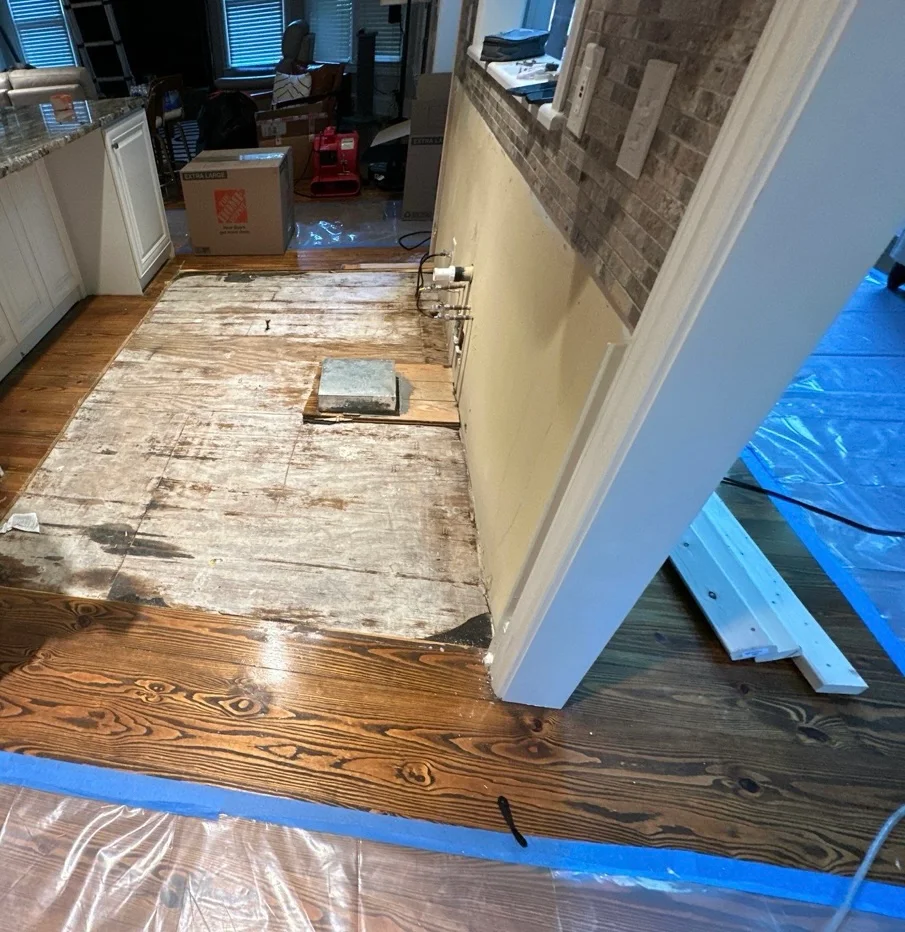
Once the source is controlled and the area can be entered safely, the mitigation team assesses how far the water traveled and what materials were exposed. Standing water may need to be extracted, and heavily affected porous materials may require removal. Hard surfaces may be cleaned using methods appropriate for the condition and material. Debris and removed materials need to be handled carefully so contamination is not spread through the property.
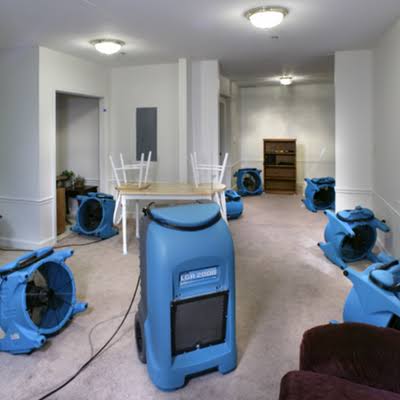
After contaminated materials are addressed, remaining structural materials may still need drying. Dehumidification, air management, and moisture monitoring can be part of the process depending on the loss. Drying is important because the property can have both contamination concerns and ordinary moisture damage at the same time.
Why Moisture Assessment Still Matters
It is easy to think of sewage cleanup only as a sanitation issue, but water movement remains important. Contaminated water can seep under flooring, behind baseboards, into the bottom of walls, or into cabinets. If these areas are not identified, moisture can remain after the visible cleanup is complete.
Moisture assessment helps determine which areas require drying or further evaluation. Depending on the materials and contamination level, some components may not be suitable for drying in place and may need removal. The plan should reflect both the water category and the physical condition of the property.
What to Do While Waiting for Professional Help
Keep people and pets out of the affected area and avoid using plumbing fixtures if doing so could worsen the backup. Do not run fans across contaminated water because uncontrolled air movement may spread contaminants. Avoid using ordinary household vacuums or equipment that could be damaged or become contaminated.
If you can safely do so from an unaffected area, take photos for documentation. Contact the appropriate plumber or utility provider to address the active source. If insurance may apply, notify your carrier and ask what documentation is required. Do not throw away large amounts of damaged material before it is documented unless immediate safety requires removal.
Can a Sewage Backup Affect Indoor Air and Nearby Rooms?
The main concern is not only the water itself but also what may be carried with it and how cleanup activities can spread contamination. Walking through the area, moving wet belongings through clean rooms, or directing fans across contaminated surfaces can move residue beyond the original loss area. Keeping traffic controlled is an important part of the response.
Nearby rooms should be evaluated if water crossed thresholds, moved under flooring, or reached shared wall cavities. The visible boundary of the puddle is not always the same as the actual boundary of the affected materials, so the scope should be based on inspection rather than appearance alone.
If the backup affected a finished basement or bathroom, pay particular attention to wall bottoms, cabinet bases, flooring transitions, and stored items sitting directly on the floor. These areas can hold moisture or contamination after the main standing water is gone.
Sewage Backup Cleanup in Metro Atlanta
A sewage backup is stressful, but a clear response sequence helps. Stop the source, keep people away from the contaminated area, document the loss when safe, and bring in professionals who can evaluate the property based on the actual conditions. Do not treat contaminated water like an ordinary household spill.
Mitigate First provides 24/7 property damage mitigation in Atlanta and nearby Metro Atlanta communities, including cleanup for sewage backup damage. Our team can assess affected areas, remove water, evaluate damaged materials, provide moisture control and drying where appropriate, and document the mitigation work. Call (678) 640-3089 or request a free damage inspection online.