Appliance Water Damage Can Spread Before You Notice It
Many household appliances use water every day, often through hoses, valves, drain lines, and connections that are hidden behind cabinets or equipment. When one of those components leaks, the water may spread under flooring, into wall cavities, behind baseboards, or beneath cabinets before a homeowner notices the problem. A slow leak can be just as damaging as a sudden overflow if it remains hidden long enough.
The important distinction is between repairing the appliance and mitigating the property damage. An appliance technician or plumber may need to stop or repair the source, while a mitigation company addresses the water that reached building materials. Mitigate First provides water extraction, moisture assessment, structural drying, and dehumidification for appliance-related water losses throughout Metro Atlanta.
1. Washing Machine Leaks and Hose Failures
Washing machines can release a large amount of water if a supply hose fails, a connection loosens, a drain line backs up, or the machine overflows. Because laundry rooms are often located near finished hallways, bedrooms, kitchens, or lower levels, water can move beyond the laundry area quickly.
After the machine is shut off and the source is controlled, check adjacent flooring, baseboards, walls, and any room below the laundry area. Water may travel beneath tile, laminate, hardwood, or other flooring even when the surface is wiped dry.
2. Dishwasher Leaks
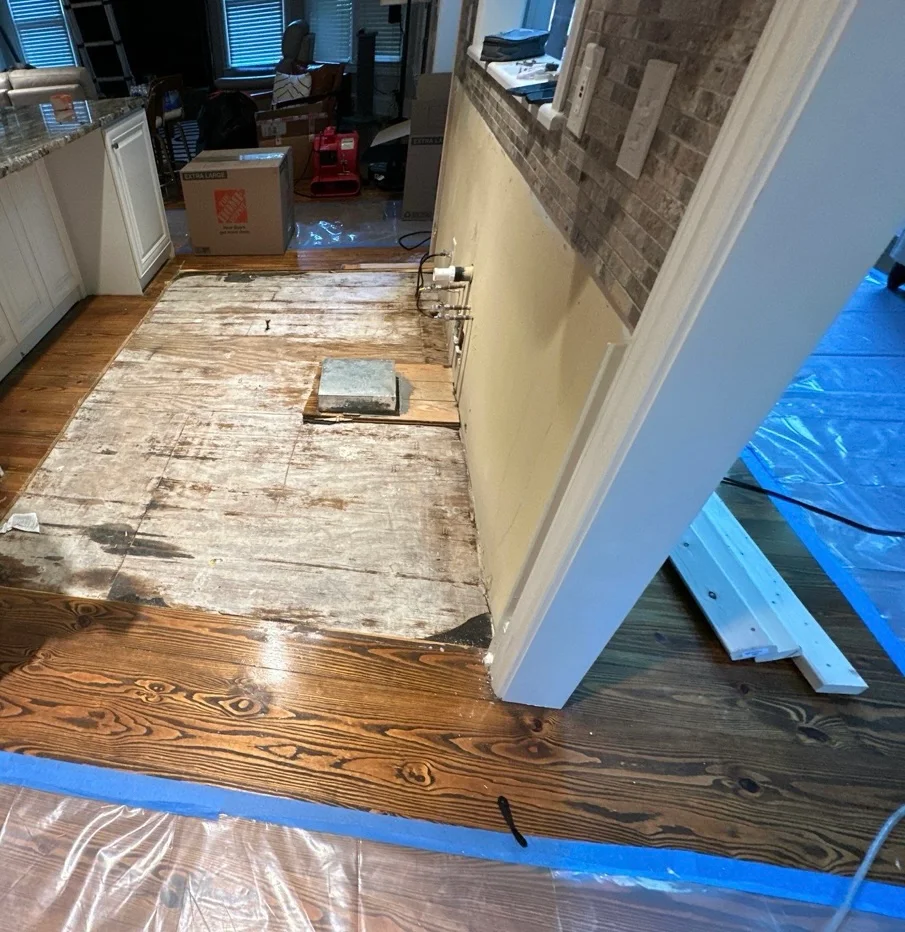
Dishwasher leaks are easy to miss because much of the plumbing sits behind or underneath the appliance. A loose connection, damaged hose, drain problem, or door seal issue can allow water to reach the cabinet base, subfloor, and nearby flooring. In some kitchens, the first sign is swelling at the bottom of a cabinet or a darkened edge along the floor.
When water is trapped beneath cabinets or finished flooring, simply drying the visible surface may not be enough. Moisture checks can help determine how far the water traveled and whether the subfloor, toe-kick area, wall, or adjoining materials need drying.
3. Refrigerator and Ice Maker Line Leaks
Refrigerators with water dispensers or ice makers usually rely on a small supply line that can leak behind the appliance. Because the line is out of sight, a slow leak may continue until flooring begins to discolor, warp, or feel soft. Water can also travel under nearby cabinets before it becomes visible.
Pulling the refrigerator forward should only be done if it can be moved safely. If the line is actively leaking, shut off the water supply when possible and contact the appropriate repair professional. Then have the surrounding materials checked for hidden moisture.
4. Water Heater Failures
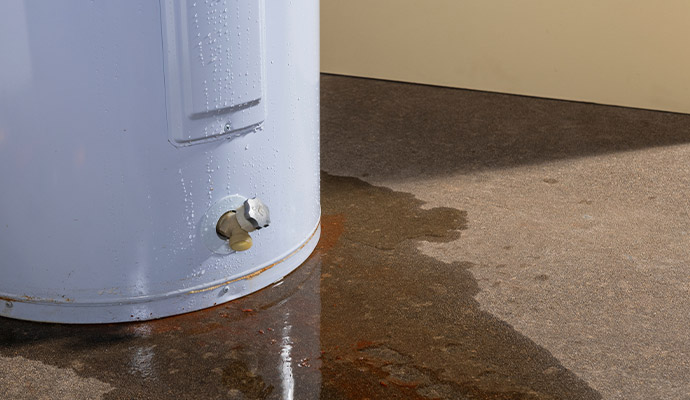
A water heater can create anything from a slow drip to a sudden release of a significant amount of water. Corrosion, connection problems, valve issues, or tank failure can affect closets, garages, utility rooms, basements, and nearby finished areas. If the heater is located on an upper level, water may also move into ceilings and rooms below.
Do not approach electrical or gas equipment in standing water unless it is safe. Once the source is controlled by the appropriate professional, extraction and structural drying can begin based on the areas that were affected.
5. Toilet Overflows and Supply Line Leaks
A toilet overflow or supply line failure can quickly affect bathroom flooring, baseboards, adjoining rooms, and ceilings below. The response depends partly on the source and whether the water may be contaminated. Property owners should avoid direct contact with water that may contain sewage or other contaminants.
After the source is stopped, the affected materials need to be evaluated. Some flooring, drywall, baseboards, or other porous materials may require different handling depending on the water source and conditions found at the property.
6. Sink, Faucet, and Under-Cabinet Leaks
Small leaks beneath a kitchen or bathroom sink can remain hidden behind stored items for weeks or months. Water may damage the cabinet base, wall behind the plumbing, flooring, or subfloor before the leak becomes obvious. Musty odors, staining, soft cabinet material, or peeling finishes can be warning signs.
Once the plumbing issue is repaired, the cabinet and surrounding materials should be checked for moisture. Closed cabinet spaces have limited airflow, so damp materials may not dry well without a deliberate drying plan.
7. HVAC and Condensate Drain Leaks
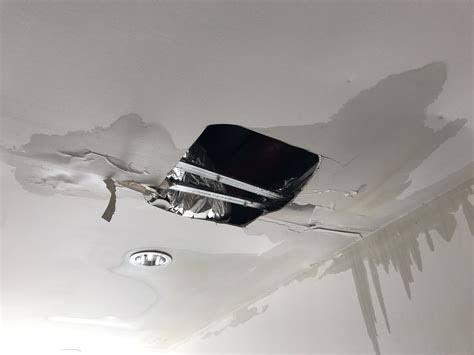
Air conditioning equipment is not a kitchen appliance, but it is one of the most common household systems associated with hidden water damage. Condensate drain problems, pan overflows, or equipment leaks can affect ceilings, walls, insulation, closets, and flooring. These losses can be especially hidden when the indoor unit is in an attic or enclosed mechanical space.
The HVAC source should be addressed by the appropriate technician. After that, a moisture assessment can determine whether the building materials around the unit also need extraction, drying, or dehumidification.
How to Lower the Risk of Appliance-Related Water Damage
Inspect visible supply hoses and connections periodically and pay attention to changes around appliances. A damp cabinet, small stain, soft flooring edge, rust, or unexplained musty odor can be an early warning. Follow manufacturer guidance for maintenance and replacement of hoses, filters, drain components, and other parts, and use qualified repair professionals when something looks wrong.
Water sensors or automatic shutoff devices may also be worth discussing with a plumber or home systems professional, particularly near washing machines, water heaters, and other higher-risk locations. No device prevents every loss, but early detection can reduce the amount of time water is allowed to spread.
What to Do After an Appliance Leak
If it is safe, stop the appliance, close the nearby water supply, and move dry belongings away from the affected area. Avoid electrical hazards and do not enter contaminated water. Contact the appropriate repair professional for the source, then arrange a property damage assessment if water reached flooring, walls, cabinets, ceilings, or other building materials.
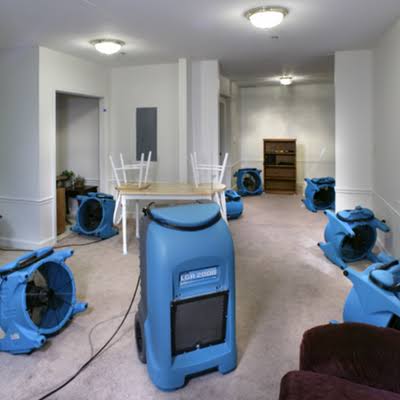
Mitigate First provides 24/7 water damage mitigation across Atlanta and nearby Metro Atlanta communities. Our team can remove standing water, check visible and hidden moisture, provide structural drying and dehumidification, and document the affected areas. Call (678) 640-3089 or request a free damage inspection online.