Mold Remediation Starts With Understanding the Moisture Problem
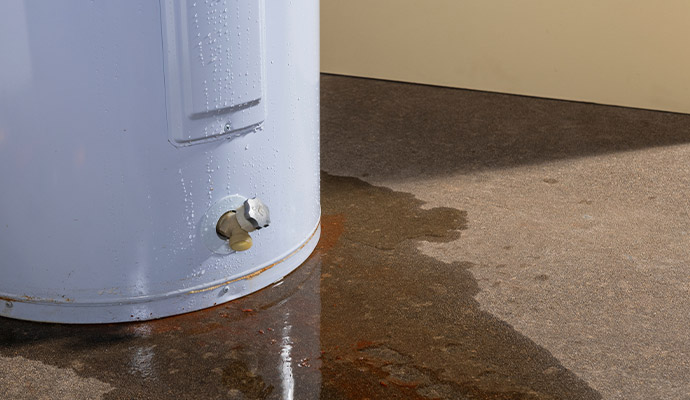
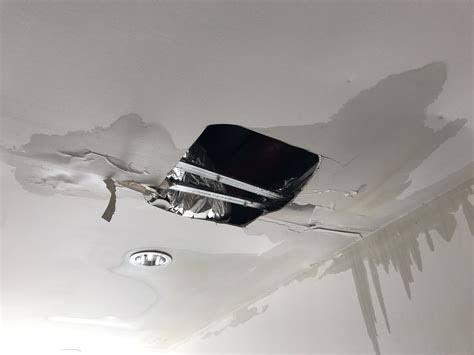
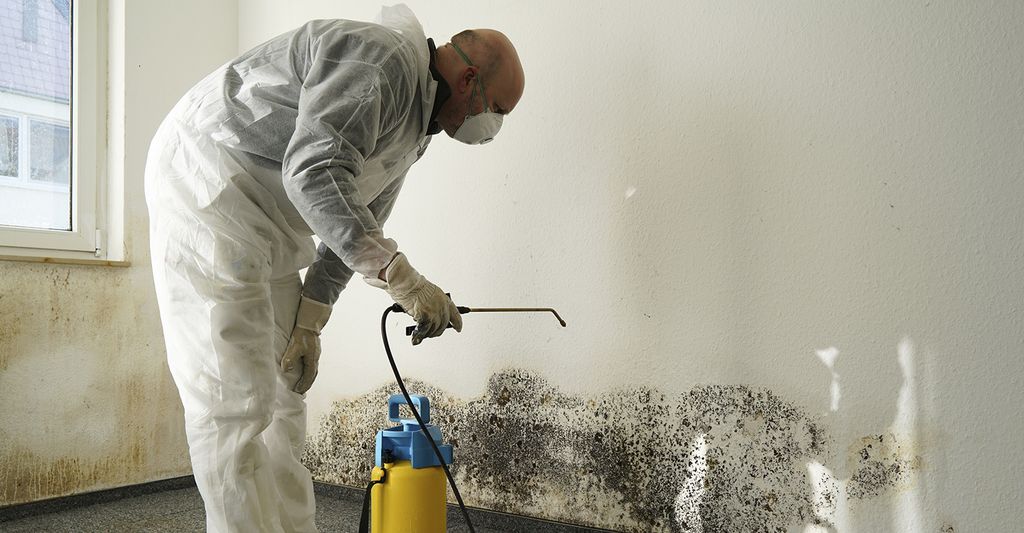
Mold is often a symptom of a moisture problem rather than an isolated surface issue. A plumbing leak, roof opening, appliance failure, condensation problem, flood, or long-term damp area can create conditions that allow mold to develop on drywall, wood, insulation, flooring, cabinets, and other materials. That is why professional mold remediation begins by understanding what is wet, where the moisture came from, and how much material is affected.
If the active moisture source is still present, it needs to be stopped or repaired by the appropriate professional. Mitigate First focuses on property damage mitigation and mold remediation. Plumbing, roofing, HVAC, appliance, or other source repairs should be handled by the correct specialist when needed. Once the source is controlled, the remediation plan can focus on the affected area and the materials that need to be cleaned, removed, or dried.
Step 1: Assessing the Affected Area
The first step is a careful assessment. Visible mold may only represent part of the problem, especially after a water loss that reached wall cavities, under flooring, or behind cabinets. Moisture readings and inspection of surrounding materials help determine whether the affected area extends beyond what can be seen on the surface.
The type and condition of the materials matter. Nonporous or semi-porous surfaces may respond differently to cleaning than heavily affected drywall, insulation, carpet padding, or other porous materials. The goal is to understand the scope before work begins so the remediation is based on actual conditions rather than simply treating the visible spot.
Step 2: Establishing Work Controls
Depending on the size and location of the affected area, work controls may be used to help keep dust and debris from spreading into unaffected spaces. The exact setup can vary. A small isolated area may require a different approach from a larger loss involving several rooms or a wall cavity. Access, occupancy, HVAC conditions, and the materials being removed can all affect the work plan.
A professional remediation process should be organized and deliberate. The crew needs a defined work area, a plan for handling affected materials, and a sequence for removal and cleaning. This is especially important when demolition is necessary because cutting or disturbing mold-affected materials can release dust and particles if the work is not controlled.
Step 3: Removing Materials That Cannot Reasonably Be Restored
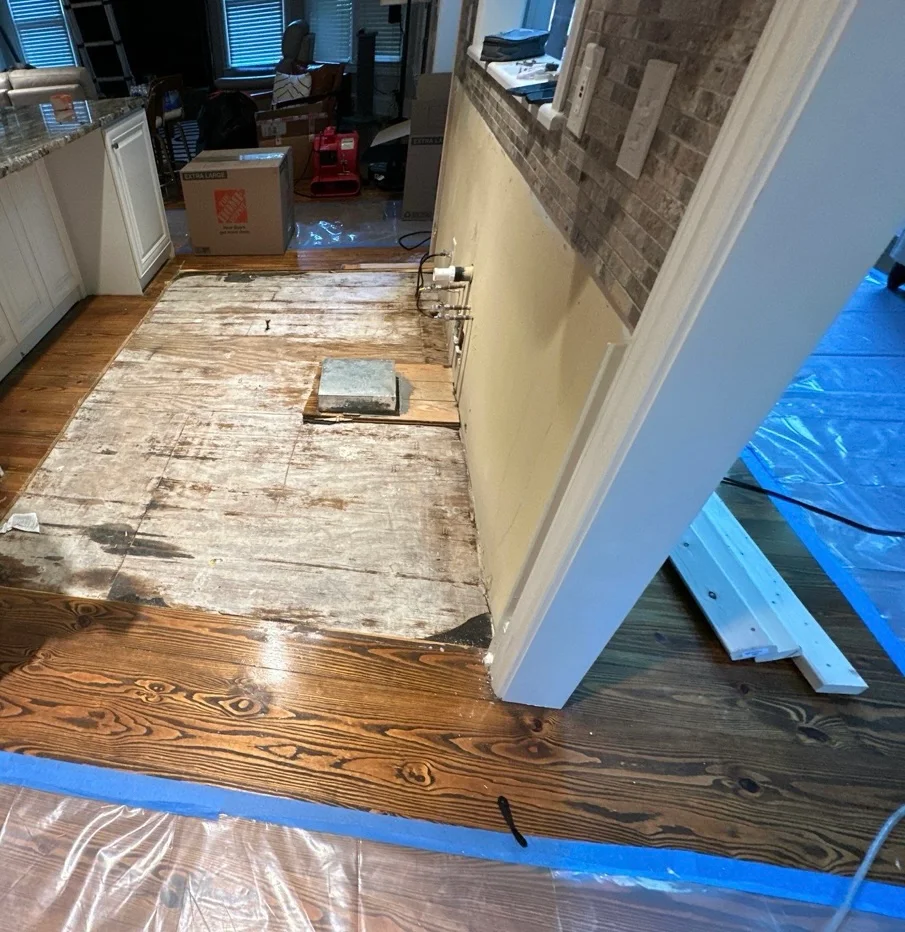
Not every mold-affected material has to be removed, but some porous materials may be too damaged or too heavily affected to reasonably clean. The decision depends on the material, the extent of growth, the moisture history, and the condition found during the assessment. Damaged drywall, insulation, carpet components, or other materials may require selective removal so the underlying structure can be accessed and addressed.
Selective removal should be based on what is actually affected. The purpose is not to tear out more of the property than necessary. It is to remove materials that cannot be effectively restored while preserving materials that can be properly cleaned and dried when appropriate.
Step 4: Cleaning and Addressing Remaining Surfaces
After affected materials are removed as needed, remaining surfaces can be cleaned using methods appropriate for the material and condition. Dust, debris, and residue from the remediation work also need to be controlled. The exact cleaning process varies because wood framing, hard surfaces, unfinished materials, and other building components do not all respond the same way.
The area should not be treated as complete just because the visible mold is gone. Moisture conditions still matter. If wood, framing, subflooring, or other materials remain damp, drying may need to continue before repairs or rebuild work moves forward.
Step 5: Drying and Moisture Monitoring
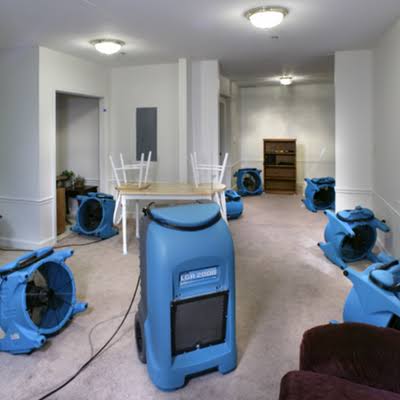
When mold remediation is connected to a recent or ongoing water loss, structural drying and dehumidification may be part of the process. Air movement, dehumidification, and moisture monitoring help reduce moisture in materials that are being retained. The equipment and drying plan depend on the layout, materials, and moisture levels in the affected area.
Moisture monitoring is important because a surface can feel dry while deeper material remains damp. Confirming drying progress helps reduce the chance that the property is closed up while moisture is still trapped inside a wall, floor, or other assembly.
What Mold Remediation Does Not Mean
Mold remediation is not the same as guaranteeing that a property will never have mold again. Mold can return if a new water leak, condensation issue, drainage problem, or other moisture condition develops. The practical goal is to address the current affected area, remove or clean damaged materials as appropriate, and correct the moisture conditions connected to the loss.
It is also important not to rely only on paint, fragrance, or surface wiping when the underlying problem is deeper. Covering discoloration does not remove damaged material, and masking odor does not address hidden moisture. A good remediation plan deals with both the visible condition and the reason the area became wet.
When Should You Call for a Mold Assessment?
Visible growth is an obvious reason to call, but it is not the only one. A persistent musty odor, recurring water stains, damp drywall, repeated condensation, or a history of flooding can all justify a closer look. Mold can develop in areas that are not easy to see, particularly behind cabinets, under flooring, around plumbing, or in wall cavities affected by a past leak.
If the issue follows a recent water loss, it is helpful to address it before reconstruction closes the area. A moisture assessment can determine whether materials are still wet, and a remediation plan can be built around what is actually found rather than waiting for the problem to become more visible.
Mold Remediation Help in Metro Atlanta
If you notice visible mold, a persistent musty odor, recurring water stains, or damp materials after a leak, a professional assessment can help define the next steps. The sooner the moisture condition is understood, the easier it is to create a focused remediation plan.
Mitigate First provides mold removal and remediation, moisture assessment, structural drying, and related property damage mitigation for homes and businesses throughout Atlanta and nearby Metro Atlanta communities. Call (678) 640-3089 or request a free damage inspection online to have the affected area evaluated.