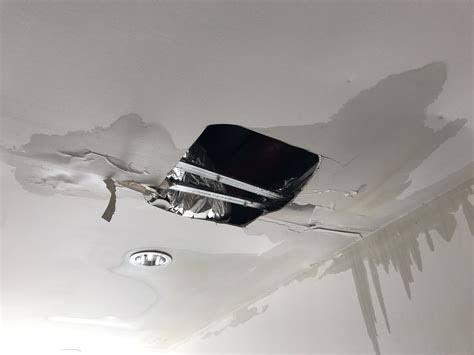
Why AC Leaks Can Cause More Damage Than Expected
Air conditioning systems move moisture as part of normal operation, which means a drainage or equipment problem can create water damage even when there is no dramatic pipe burst. A small, steady leak may be especially difficult to notice because the water can travel along framing, collect above a ceiling, soak insulation, or move beneath flooring before a visible stain appears.
In Metro Atlanta, air conditioning systems can operate for long stretches during warm weather. That makes it important to pay attention to changes around the indoor unit, drain line, ceilings, utility areas, and nearby flooring. Mitigate First focuses on the property damage caused by AC and condensation leaks. Mechanical repair of the HVAC system itself should be handled by the appropriate HVAC professional, while mitigation addresses the water and moisture that reached the building.
Common Warning Signs of an AC-Related Water Leak
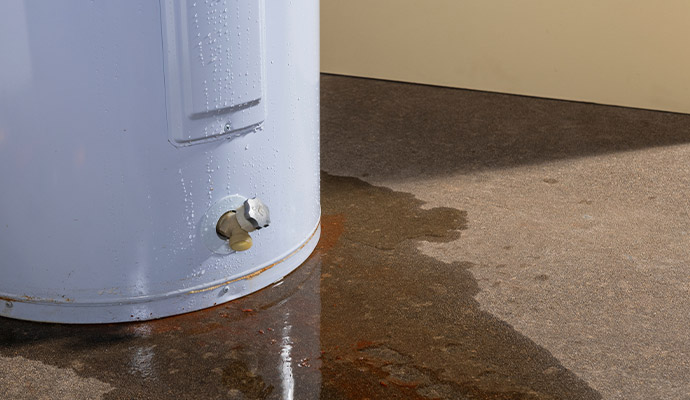
One of the first signs may be a water stain on a ceiling or wall near the indoor air handler or below an attic unit. You may also notice peeling paint, bubbling drywall, swollen baseboards, damp carpet, warped flooring, or water collecting around the equipment. A musty odor can indicate that moisture has remained in an area long enough to affect porous materials.
Another warning sign is repeated dampness that returns after you wipe up the visible water. If a drip pan, drain line, or nearby component continues releasing moisture, the surface may look dry temporarily while water continues to spread behind it. Any unexplained wet area near an AC system should be taken seriously, especially when drywall, insulation, wood, or flooring is involved.
Where AC Leak Water Can Travel
Water does not always fall straight down and stay in one place. It can follow framing, pipes, wires, or seams between materials. An attic air handler leak may first appear as a small ceiling stain, while the insulation above it is already wet. A closet unit can affect the subfloor, baseboards, wall cavities, and nearby rooms. Water from a condensate line can also travel along a wall or beneath flooring before it becomes visible.
This hidden movement is why a moisture assessment is useful after an AC leak. Moisture meters and a careful inspection can help identify areas that need drying even when the surface looks normal. The mitigation plan should be built around where the moisture actually traveled, not only where the first drip was noticed.
What to Do When You Discover an AC Leak
If the system is actively releasing water, shut it off if you can do so safely and contact an HVAC professional to address the mechanical source. Avoid opening electrical panels or handling equipment if water is present around energized components. Move belongings away from the wet area when it is safe, and use towels or containers only as a temporary way to limit surface water while professional help is arranged.
If drywall is sagging, a ceiling is bulging, or water is near light fixtures, stay clear of the area. A water-filled ceiling cavity can release suddenly, and electrical hazards may be present. Once the source has been stopped or controlled, a mitigation company can assess the affected building materials and determine whether extraction, drying, dehumidification, or selective removal is needed.
How Professional Drying Helps
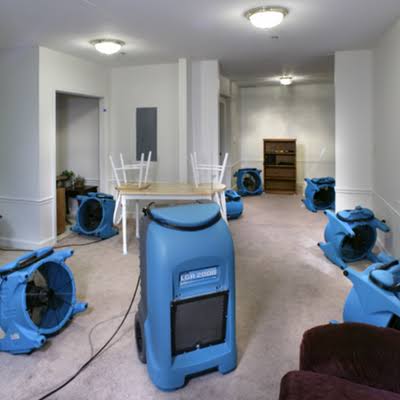
Visible water can often be removed quickly, but wet building materials take longer to dry. Professional structural drying uses controlled air movement and dehumidification to reduce moisture in affected materials. The equipment setup depends on the size of the loss, room configuration, materials involved, and moisture levels found during the assessment.
Drying progress should be monitored rather than guessed. Moisture readings help determine whether drywall, flooring, framing, or other materials are moving toward appropriate conditions. If a material is too damaged, contaminated, or unable to dry effectively, removal may be recommended. The goal is to avoid leaving trapped moisture behind after the AC problem itself has been repaired.
Can an AC Leak Lead to Mold?
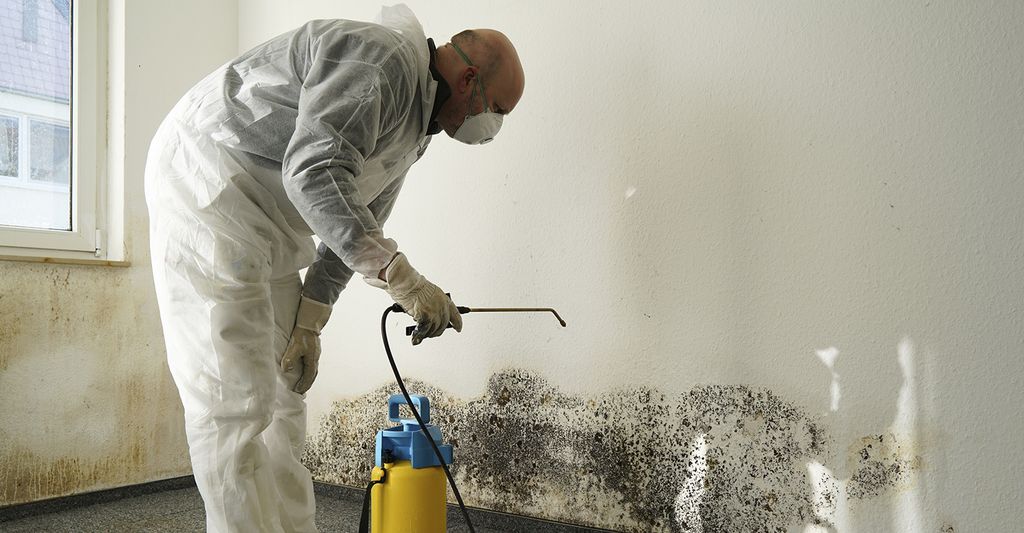
Any water loss that keeps porous building materials damp can create conditions that support mold growth. AC leaks can be particularly easy to miss because they may happen inside closets, attics, wall cavities, or other areas that are not checked every day. A musty smell, recurring stain, soft drywall, or discoloration may indicate that moisture has been present longer than expected.
Prompt drying and moisture control reduce the amount of time materials remain wet. If mold is already visible or suspected, the area may need a separate remediation plan based on the scope, moisture source, and affected materials. Simply repairing the air conditioner does not automatically dry the property damage that already occurred.
How to Reduce the Chance of Future AC Water Damage
Routine HVAC maintenance can help identify drain-line, pan, and equipment problems before they lead to property damage. Ask your HVAC professional what maintenance schedule is appropriate for your system, especially if the air handler is located in an attic, closet, or other area where leaks are easy to miss. Homeowners can also make a habit of looking for staining or dampness around the unit and nearby ceilings.
If an AC leak has happened once, pay attention to the same area after the equipment is repaired. A recurring stain or musty odor may indicate that either the mechanical issue returned or the surrounding materials did not fully dry. Early inspection is usually easier than dealing with a larger hidden moisture problem later.
AC Leak Water Damage Cleanup in Metro Atlanta
If your AC system has leaked, condensation has damaged a ceiling, or water has spread from an indoor unit, make sure the mechanical source is addressed and then check the surrounding property for moisture. A small leak can affect more material than the visible spot suggests.
Mitigate First provides 24/7 water damage mitigation across Atlanta and nearby Metro Atlanta communities. Our team can assess AC-related water damage, remove standing water when needed, check for hidden moisture, and provide structural drying and dehumidification. Call (678) 640-3089 or request a free damage inspection online.