Fire Damage and Smoke Damage Are Not the Same Thing
After a fire, it is easy to focus on the areas that were visibly burned. Those areas may have the most obvious damage, but they are only part of the loss. Fire damage generally refers to materials changed or destroyed by heat and flames, while smoke damage can spread well beyond the area where the fire started. Smoke particles, soot, and odor can travel through doorways, hallways, stairwells, HVAC pathways, and small openings before settling on surfaces in other rooms.
A property can therefore have limited visible burn damage but widespread smoke-related cleanup needs. Firefighting efforts can add another layer because suppression water may affect floors, walls, ceilings, and contents. For Atlanta property owners, a complete post-fire assessment should consider burned materials, smoke and soot spread, debris, odor, and any water or moisture left behind after the emergency response.
What Fire Damage Can Affect
Direct fire damage can range from superficial heat effects to materials that are no longer structurally sound or suitable to remain in place. Drywall, framing, cabinetry, flooring, fixtures, insulation, and finishes may all be affected depending on the size and location of the fire. Heat can also damage materials that were not directly touched by flames.
Before cleanup begins, emergency personnel must release the property for safe access. Any unstable areas, active electrical hazards, damaged utilities, or other immediate safety concerns should be addressed by the appropriate professionals. Once the property can be entered safely, the mitigation process can focus on documenting affected areas, separating debris, evaluating damaged materials, and planning cleaning or removal based on the actual conditions.
How Smoke and Soot Travel Through a Property
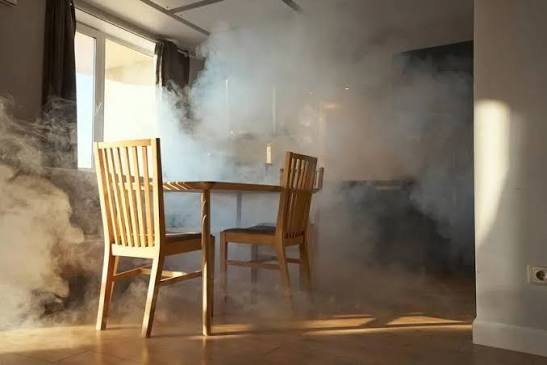
Smoke moves with air currents, which is why residue can appear in places that seem far removed from the fire. Fine soot may settle on ceilings, walls, shelves, trim, windows, furniture, and other surfaces. It can enter adjoining rooms, upper levels, closets, and enclosed spaces. The type of materials that burned can also affect the residue left behind, which is one reason cleanup methods should be chosen carefully rather than using one cleaning product everywhere.
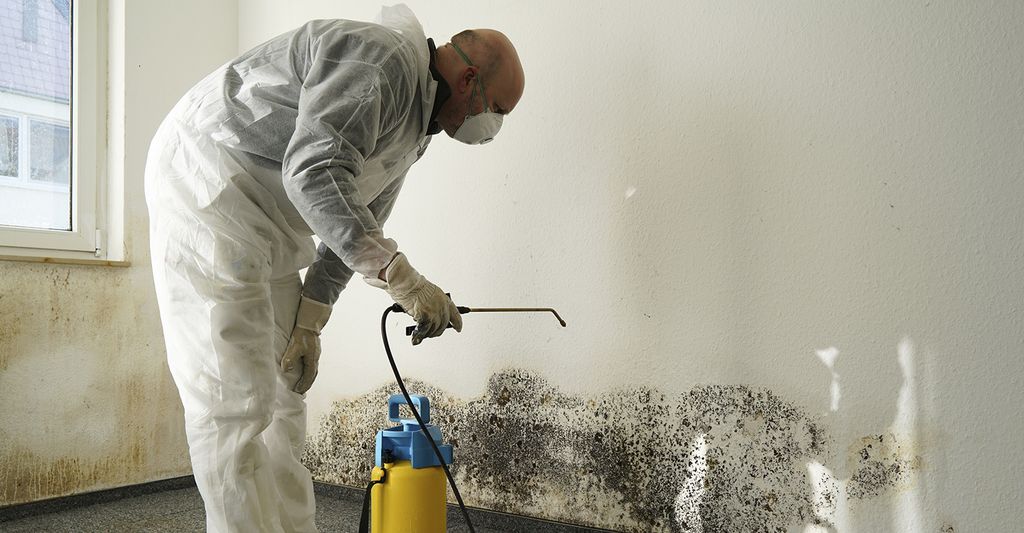
Some surfaces may be suitable for cleaning, while others can absorb residue or become permanently damaged. Wiping soot without the right approach can smear it, push it deeper into porous materials, or spread contamination to clean areas. A professional assessment helps determine what can reasonably be cleaned, what requires specialized treatment, and what may need removal.
Why Smoke Odor Can Remain After Visible Cleanup
A room can look cleaner and still smell smoky. Persistent odor often means smoke residue remains on surfaces or inside materials. Porous items such as drywall, wood, insulation, fabric, carpet, and unfinished surfaces can hold odor differently than hard, nonporous materials. Smoke can also settle in hidden areas that are not obvious during a quick visual inspection.
Effective odor control begins with source removal and cleaning. Covering the smell with fragrance does not address residue that remains on the property. The exact method used depends on the materials, location, and severity of the smoke exposure. The goal is to deal with the actual affected surfaces and materials rather than masking the problem.
Do Not Forget About Water Damage After a Fire
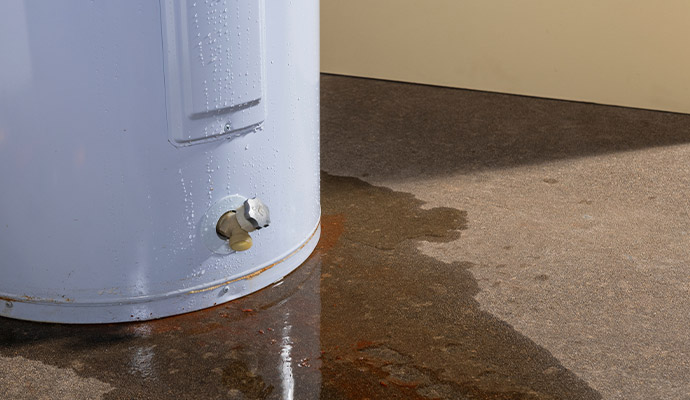
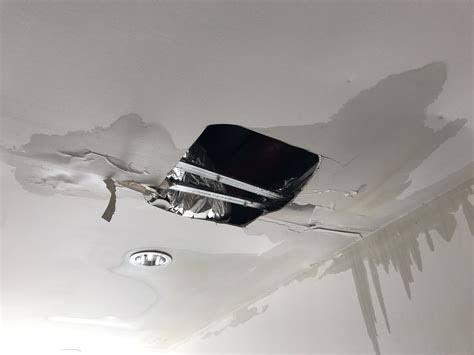
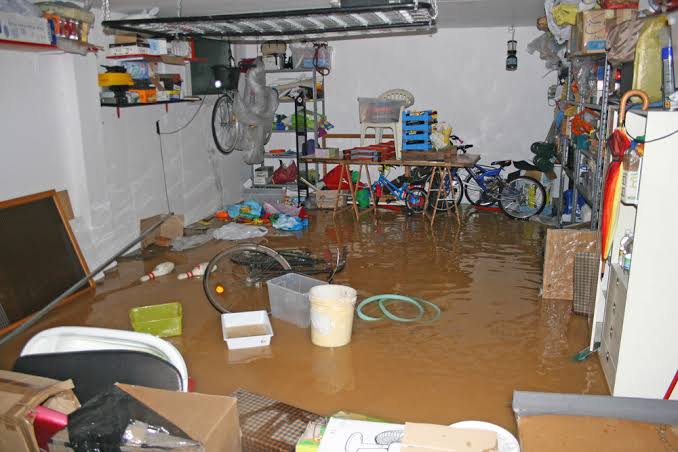
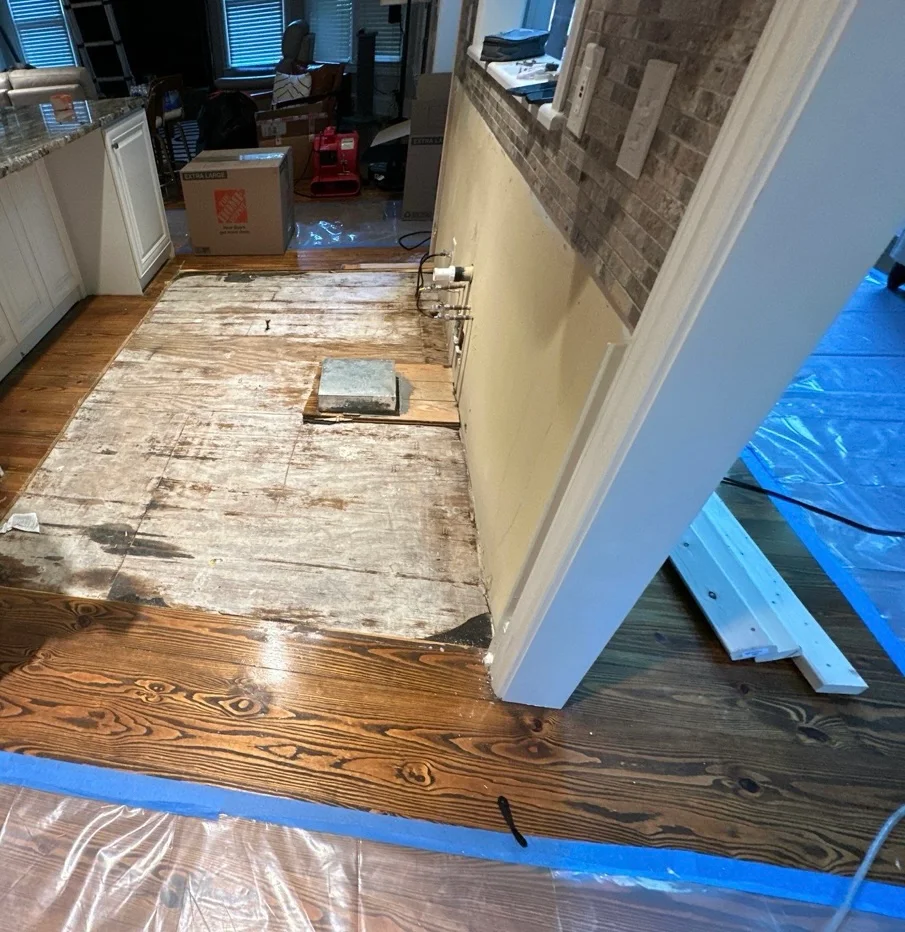
Water used to suppress a fire can create a separate mitigation need. Flooring, drywall, insulation, ceilings, and framing may become wet during firefighting operations. If that moisture is not addressed, the property can develop additional damage even after the fire itself is out. Water can also move away from the original fire area into lower levels or adjoining spaces.
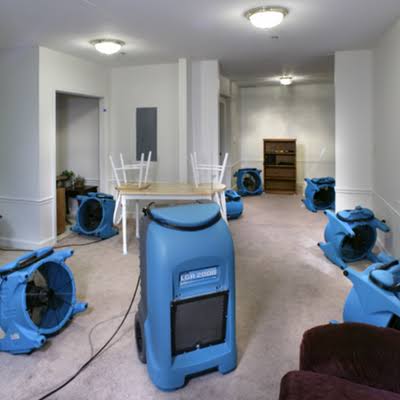
Mitigate First can provide water extraction, moisture assessment, structural drying, and dehumidification when suppression water affects the property. This work is coordinated with the rest of the fire-loss cleanup so the building is not left with untreated moisture while attention is focused only on soot and debris.
What Professional Fire and Smoke Cleanup May Include
The scope varies from property to property. A professional response may include documenting the affected areas, assessing smoke and soot spread, cleaning appropriate surfaces, evaluating damaged materials, handling debris-related cleanup, addressing water from suppression efforts, and helping stabilize exposed areas after immediate hazards are controlled. Heavily damaged materials may require removal, while other areas may be suitable for cleaning and restoration.
A clear sequence matters. Cleaning too early, before the property is safe or before debris is controlled, can create more work. Likewise, ignoring water damage while focusing only on smoke can allow moisture problems to continue. A coordinated mitigation plan keeps the different parts of the loss organized and gives the property owner a clearer path toward restoration.
What Property Owners Should Avoid After a Fire
Avoid entering areas that have not been cleared for safe access. Do not switch utilities back on, disturb damaged electrical systems, or move structural debris unless the appropriate professional has confirmed it is safe. It is also wise to avoid aggressive household cleaning on soot-covered walls, ceilings, or contents before the residue is evaluated because the wrong method can make staining or spreading worse.
If insurance is involved, document affected areas before large-scale removal whenever it is safe to do so. Keep invoices and records for emergency services and mitigation work. A calm, documented sequence helps the property owner understand what has been done and what still needs attention.
Fire and Smoke Damage Help in Atlanta
If your home or business has been affected by a fire, wait until emergency personnel say the property is safe to enter. Avoid disturbing soot-covered surfaces, throwing away damaged materials before they are documented, or attempting aggressive cleaning methods that could make residue harder to remove.
Mitigate First provides 24/7 property damage response across Atlanta and nearby Metro Atlanta communities. Our team can assess fire and smoke damage, address related water loss, document affected areas, and begin the appropriate mitigation steps after the property is safe to access. Call (678) 640-3089 or request a free damage inspection online.