Why Basement Flooding Needs a Fast Response
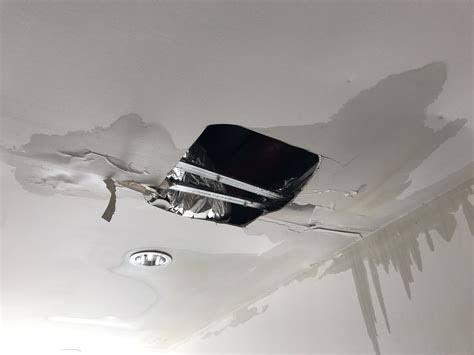
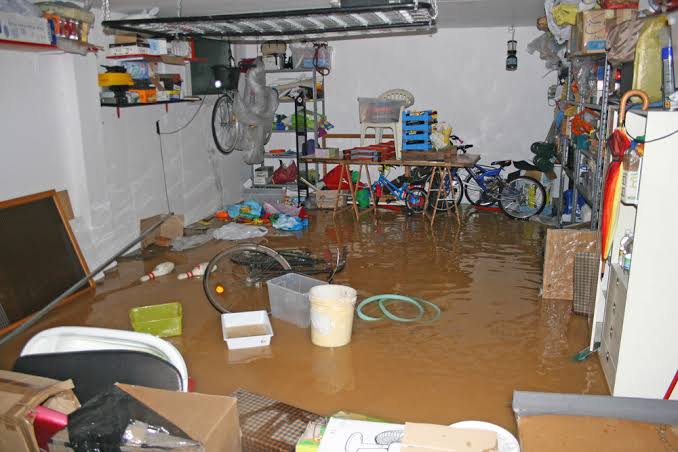
A flooded basement can go from a manageable water problem to a much larger property damage issue in a short amount of time. Water naturally collects in lower areas, which means a basement may receive water from more than one direction at once. A plumbing failure can release water from inside the home, while heavy rain or drainage problems may push water toward the foundation. Once water is inside, it can spread beneath flooring, behind baseboards, into drywall, insulation, storage areas, and structural materials before the full extent is obvious.
For Atlanta homeowners and property managers, the first goal is not simply to remove the visible water. The affected area also needs to be checked for hidden moisture and dried in a controlled way. Mitigate First provides 24/7 property damage mitigation, including emergency water extraction, moisture assessment, structural drying, dehumidification, and evaluation of affected materials. Acting quickly can help reduce the amount of time building materials remain wet and make the recovery process more organized from the beginning.
Common Causes of Basement Flooding
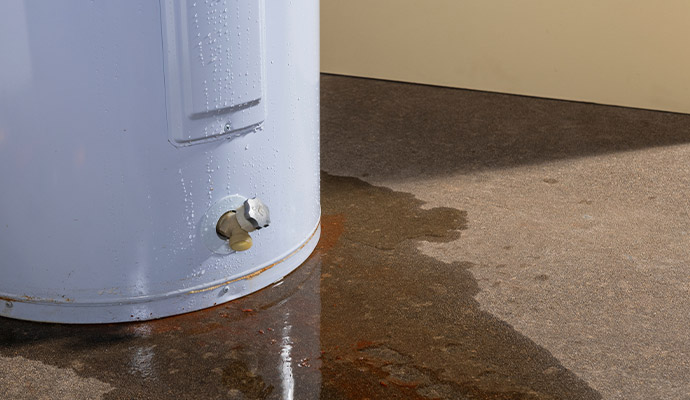
Basement flooding can start with a sudden event or a problem that develops gradually. One common source is a broken or leaking pipe. Supply lines, drain lines, water heaters, laundry connections, and other plumbing components can release enough water to affect a large part of a lower level. Appliance leaks can create similar damage, especially when a washing machine or water heater is located in or near the basement.
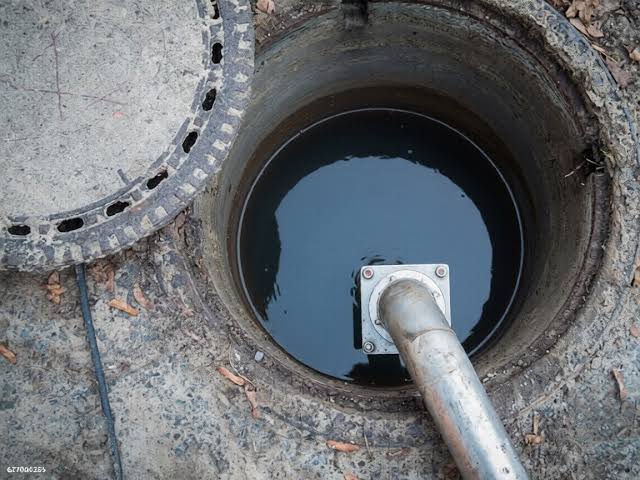
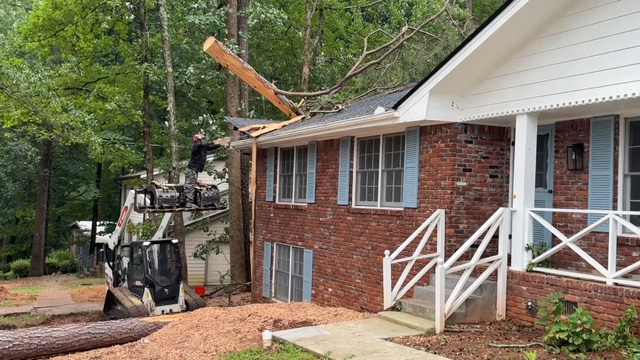
Severe weather is another major concern. Heavy rain can expose weak points around doors, windows, foundation openings, or other exterior areas. Drainage and sump-related problems can also allow water to collect where it should not. In some properties, water first appears as damp flooring or a small wall stain, then spreads into materials that are not immediately visible. Because the source can vary, the cleanup plan should be based on what actually happened at the property rather than assuming every basement flood is the same.
What to Do First When Your Basement Floods
Safety comes first. If there is any possibility that standing water is near electrical equipment, outlets, wiring, or an energized appliance, avoid entering the area until it is safe. Do not walk through water if you do not know where it came from or whether it may be contaminated. If you can safely stop the water source, do so, or contact the appropriate plumber, utility professional, drainage specialist, or other contractor to address the active source.
Once immediate hazards are controlled, contact a mitigation company to assess the damage. Take photos or video from a safe location if possible, but do not delay emergency water removal just to create documentation. Move dry belongings away from the affected area only when it can be done safely. Items sitting directly in water or on wet flooring may need separate evaluation. The faster the affected area is assessed, the sooner a clear extraction and drying plan can begin.
Why Water Extraction Is Only the Beginning
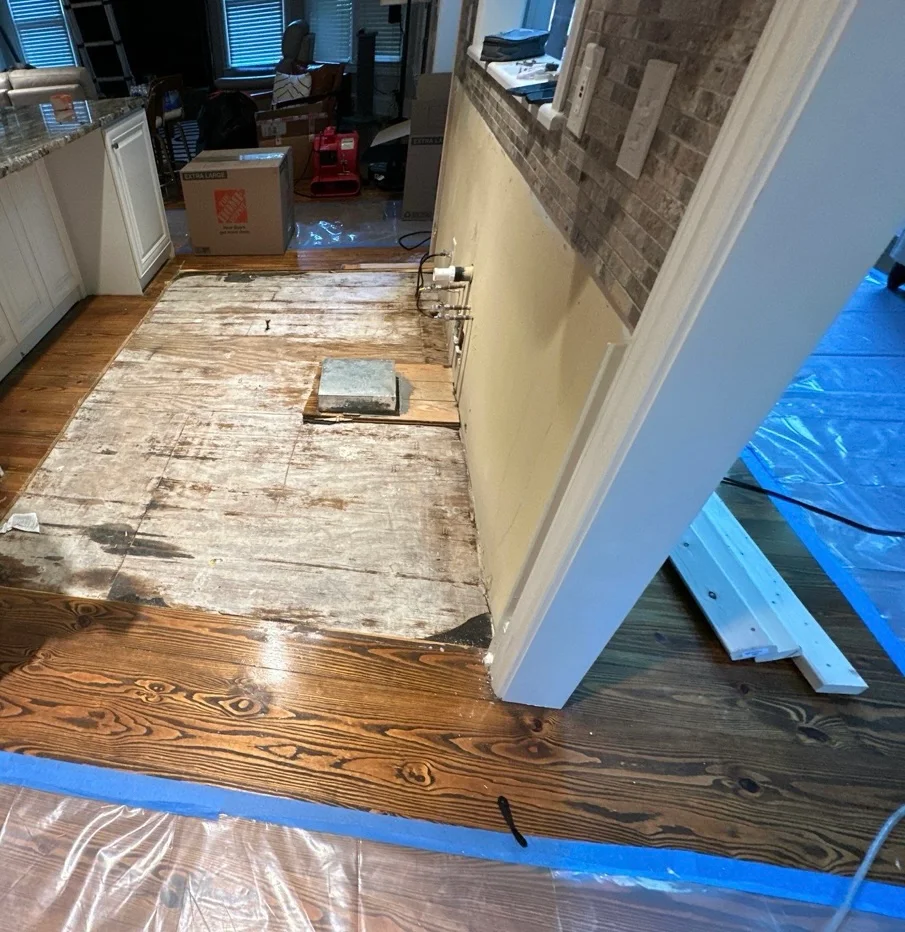
Removing standing water is an important first step, but a basement can still contain significant moisture after the floor looks dry. Water may have moved under finished flooring, into the bottom of drywall, behind baseboards, inside wall cavities, or into insulation and framing. Concrete and other porous materials can also retain moisture. This is why professional moisture checks are an important part of basement flood cleanup.
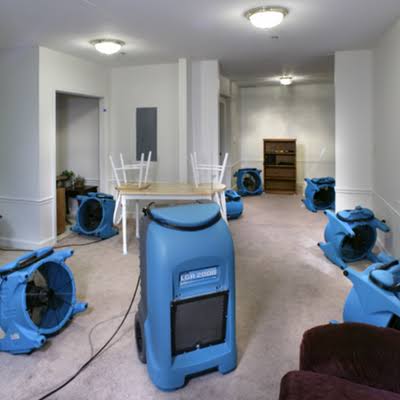
After extraction, drying equipment can be positioned according to the size and layout of the affected area. Air movement helps moisture leave wet materials, while dehumidification removes moisture from the air so drying can continue more efficiently. Moisture readings are used to track progress rather than relying only on appearance. Depending on the source and condition of the materials, some damaged materials may need to be removed while others may be suitable for drying in place.
Basement Flooding and Mold Concerns
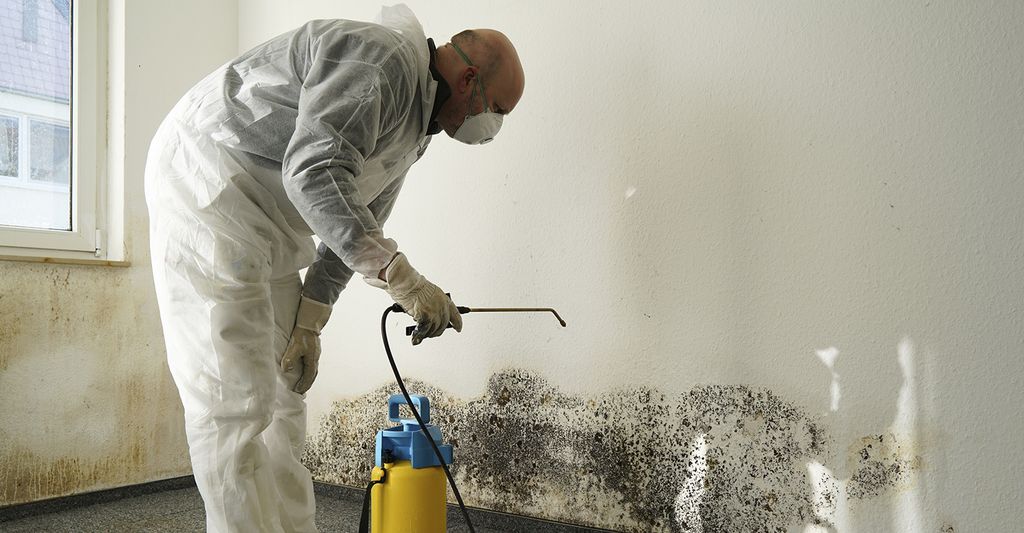
A basement is already an area where moisture can be difficult to notice, so lingering water after a flood deserves close attention. Damp drywall, carpet, insulation, wood, stored cardboard, and other porous materials can create conditions that support mold growth if they remain wet. A musty odor, discoloration, or persistent dampness after a flood may be a sign that the area needs additional assessment.
Mold prevention after water damage begins with controlling moisture. That means removing standing water, identifying wet materials, drying the structure, and monitoring moisture until the affected areas reach appropriate conditions. If mold is already present, the response may include professional remediation based on the scope and materials involved. Simply placing a household fan in the room is not the same as confirming that hidden areas have actually dried.
What About Insurance?
Coverage for basement water damage depends on the cause of the loss and the terms of the policy. A sudden plumbing failure may be handled differently from groundwater, drainage problems, or other types of flooding. Property owners should contact their insurance carrier when appropriate and ask what documentation is needed. Mitigate First can document mitigation work and communicate with insurance carriers when appropriate coverage applies, but coverage and claim decisions remain with the policy and carrier. Mitigate First does not represent clients in their insurance claims.
How to Reduce Future Basement Water Problems
After the immediate loss is handled, review what caused the flooding and whether there are practical ways to reduce the chance of a repeat event. Plumbing components, appliance supply lines, drainage systems, sump equipment, exterior openings, and grading conditions may all deserve attention depending on the source. The mitigation company can explain what was affected, but repairs or improvements to these systems should be completed by the appropriate specialist.
Get Help With Basement Flood Damage in Metro Atlanta
If water has entered your basement, do not assume the problem is over because the visible puddle is gone. Hidden moisture can remain in floors, walls, cabinets, insulation, and structural materials. A professional assessment can help determine what was affected and what mitigation steps are appropriate.
Mitigate First provides 24/7 basement flood damage cleanup for homes and businesses across Atlanta and nearby Metro Atlanta communities. Our team can provide water extraction, moisture assessment, structural drying, dehumidification, and other property damage mitigation based on the conditions found at the property. Call (678) 640-3089 or request a free damage inspection online to get the next steps started.