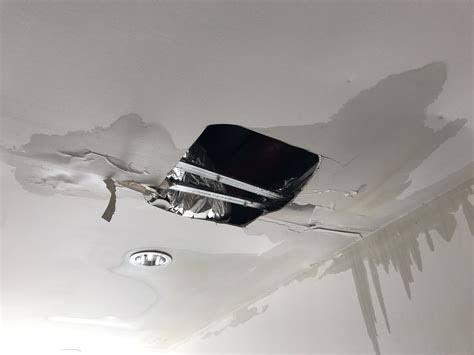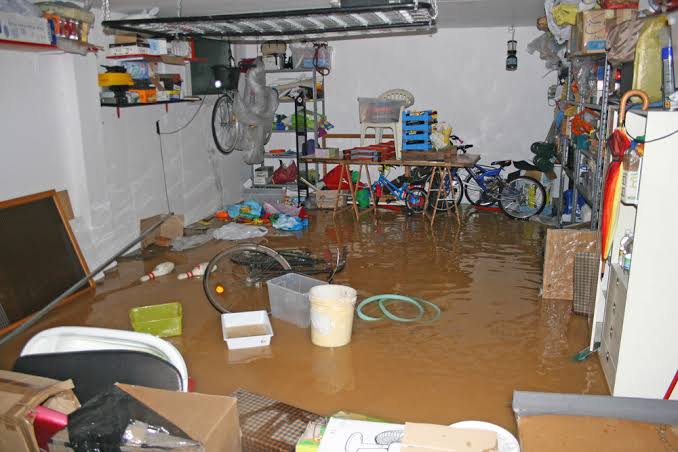
Water damage rarely stays exactly where it starts. A failed supply line, overflowing fixture, appliance leak, roof opening, or burst pipe can send moisture into flooring, drywall, cabinets, insulation, and wall cavities before the full extent is visible. Knowing what to do in the first few minutes and hours can help you protect people, reduce avoidable damage, and give a mitigation team a clearer path to begin cleanup. The most important goal is not to rush into unsafe areas. Instead, focus on safety, stop the source when practical, document what you can, and arrange professional assessment and drying as soon as possible.
1. Put Safety Before Cleanup
Before moving furniture or grabbing a mop, look for hazards. Water near electrical panels, outlets, appliances, or exposed wiring should be treated cautiously. If a ceiling is bulging, a floor feels unstable, or the water may be contaminated, avoid the affected area until it is safe. Shut off electricity only when you can do so without entering wet areas and you know the proper procedure. Protecting people comes first; cleanup can wait until the space is safe enough to access.
2. Stop the Water Source When It Is Safe
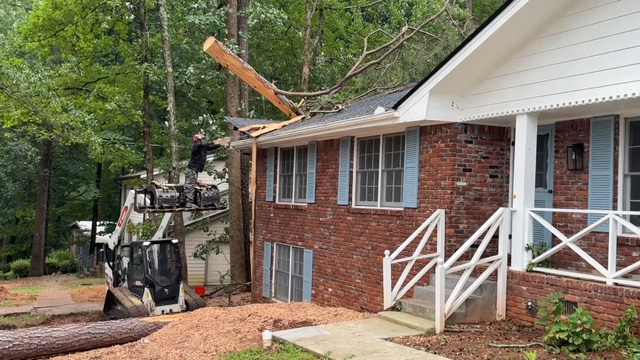
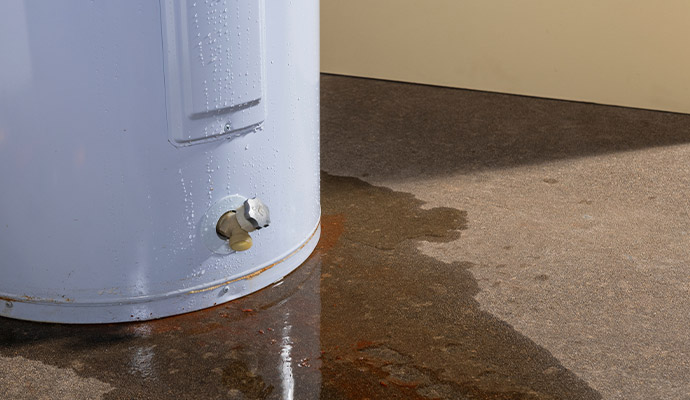
If the water is still entering the property, stopping the source can limit additional damage. For a broken supply line or plumbing leak, that may mean shutting off a fixture valve or the main water supply. For an appliance failure, turn off the appliance and its water connection if the area is safe to reach. When the problem involves a roof, HVAC system, plumbing repair, tree impact, or another specialized source, the appropriate trade professional may need to make the repair or secure the hazard. Mitigate First focuses on the resulting property damage, so the source should be controlled before or alongside mitigation work whenever possible.
3. Protect Belongings Without Spreading Moisture
If conditions are safe, move small valuables, electronics, rugs, boxes, and other easily relocated belongings away from wet areas. Avoid dragging soaked items through dry rooms because this can spread moisture and debris. Wood furniture can sometimes be lifted slightly off wet flooring with protective blocks or foil, but only if it can be done safely. Do not disturb materials that may contain contaminants or that appear structurally unstable. The goal is simply to reduce secondary contact while leaving the larger cleanup to trained crews with extraction and drying equipment. Taking a few careful steps can help protect unaffected areas while keeping the scene organized for inspection.
4. Document the Damage Before Major Cleanup
Photos and short videos can be useful records of what happened. Capture the visible source if it is safe, standing water, damaged materials, and the rooms that appear affected. Keep receipts related to emergency work, temporary repairs, and mitigation. If insurance may be involved, contact your carrier for policy-specific guidance. Mitigate First can document mitigation work and communicate with insurance carriers when appropriate coverage applies, but coverage and claim decisions remain with the policy and carrier.
5. Remove Standing Water Quickly
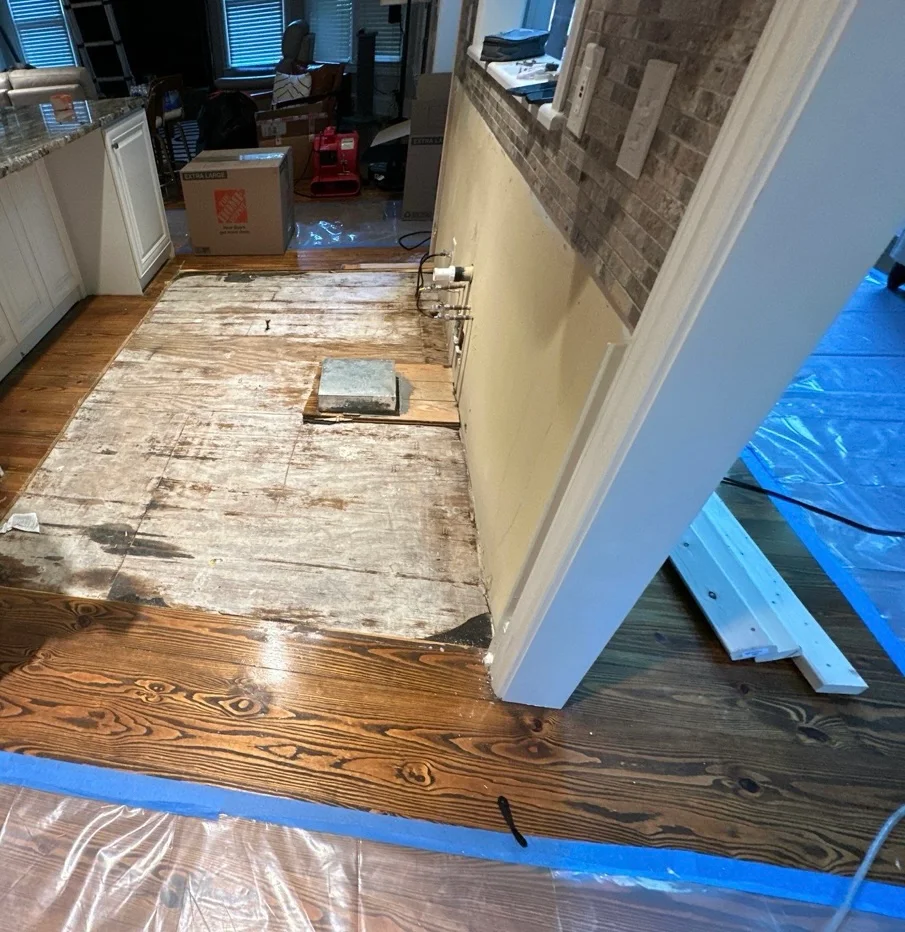
Visible water should be removed as quickly as practical once the area is safe. A household wet vacuum may help with a very small clean-water spill, but larger losses usually require professional extraction equipment. Water can move beneath flooring, behind baseboards, under cabinets, and into drywall long before surfaces look severely damaged. Removing the surface water is only the first step. A mitigation team can identify how far moisture has spread and determine what materials need additional extraction, drying, or evaluation. Fast water removal can reduce the amount of time building materials remain saturated and can make the overall drying process more manageable.
6. Do Not Assume a Dry Surface Means the Structure Is Dry
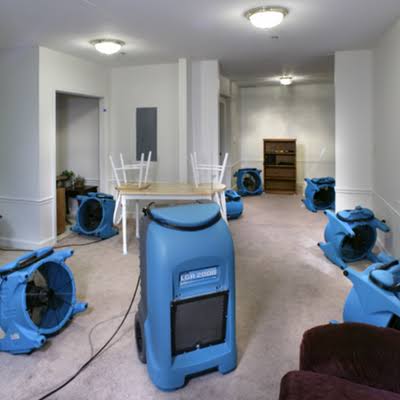
One of the biggest mistakes after water damage is stopping cleanup when the floor or wall feels dry to the touch. Moisture can remain inside porous materials and concealed spaces. Professional moisture assessment may include meters, thermal observations, room-by-room checks, and repeated measurements during drying. Depending on the loss, drying equipment can include air movers and dehumidifiers positioned to reduce moisture in the air and affected materials. Some materials can be dried in place; others may need to be removed if they are badly damaged, contaminated, or unable to dry effectively. The decision should be based on actual conditions rather than appearance alone.
7. Watch for Conditions That Can Lead to Mold
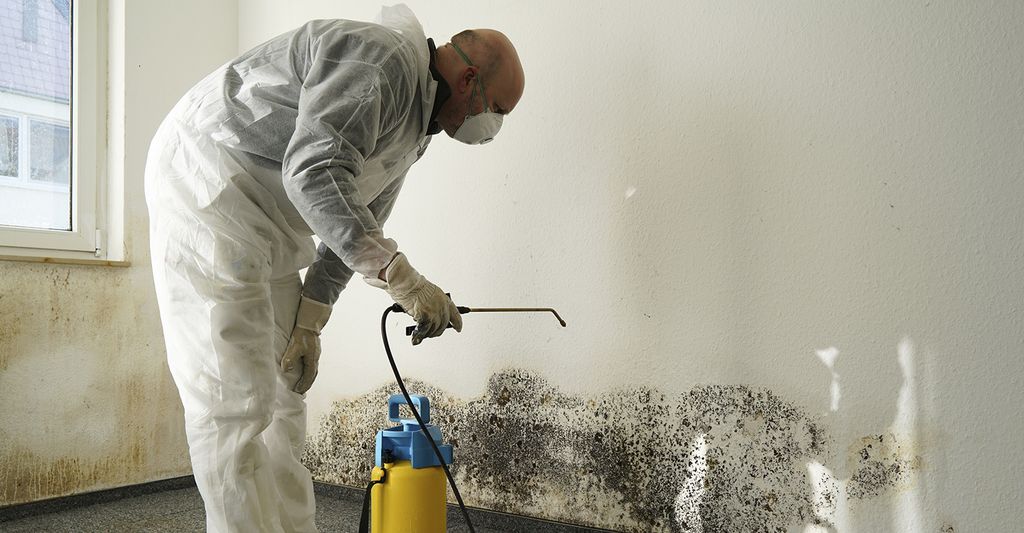
Mold is not guaranteed after every water loss, but lingering moisture creates conditions that can support growth. That is why extraction, structural drying, dehumidification, and moisture monitoring matter. If you already notice musty odors, visible growth, or previously wet materials that stayed damp for an extended period, mention that during the inspection. Avoid applying random household chemicals or painting over affected areas before the moisture problem is understood. Proper remediation depends on the materials involved, the source of moisture, and the extent of the affected area. The best prevention step after a water loss is to reduce moisture and keep materials from staying wet longer than necessary.
8. Know When to Call a Mitigation Company
Professional help is especially important when water affects multiple rooms, reaches drywall or insulation, enters a basement, spreads beneath finished flooring, or leaves hidden moisture concerns. A mitigation company can assess the affected area, remove standing water, set up drying equipment, monitor moisture, and explain what materials need additional attention. Mitigate First provides 24/7 water damage mitigation throughout Atlanta and nearby Metro Atlanta communities.
Moving Forward After Water Damage
The hours after a water loss are about making the property safe, stopping additional water, understanding the affected area, and starting an organized drying plan. Avoid shortcuts such as closing up wet walls, replacing flooring over damp materials, or assuming that visible water is the only problem. The right response depends on the source, the materials involved, and how far moisture traveled. If your Atlanta-area home or business has been affected by water damage, Mitigate First is available 24/7. Call (678) 640-3089 to request emergency assistance or a free damage inspection and get clear next steps for protecting the property.