When a home or business experiences water, fire, storm, or mold damage, property owners often hear several different terms: mitigation, cleanup, restoration, reconstruction, remediation, and repair.
Understanding what these terms mean can make an already stressful situation easier to navigate.
One of the most important concepts is property damage mitigation.
Mitigation refers to the immediate steps taken to control damage, protect the property, and reduce the likelihood of additional loss. It usually begins shortly after an emergency and creates the foundation for later restoration or reconstruction.
Here is what property damage mitigation involves and what you can expect when a professional mitigation team arrives.
What Is Property Damage Mitigation?
Property damage mitigation focuses on stabilizing the situation after a damaging event.
The exact work depends on what happened.
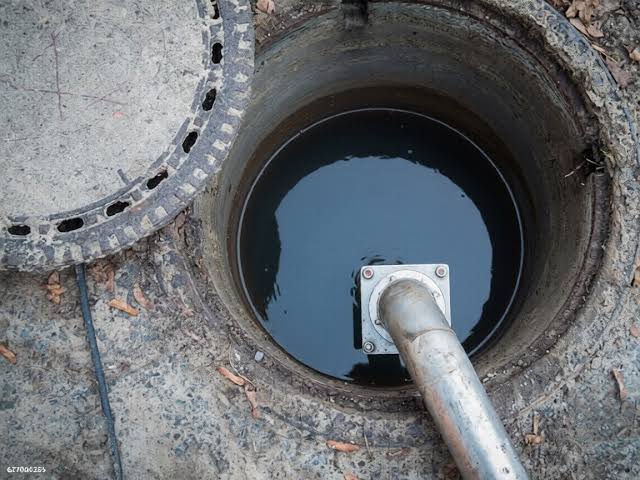
For water damage, mitigation may include water extraction, moisture assessment, structural drying, dehumidification, and removal of materials that cannot be effectively dried.
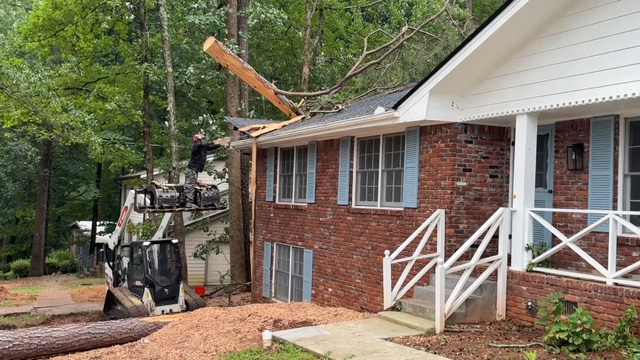
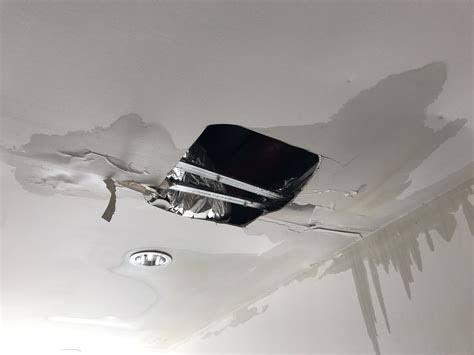
For storm damage, the team may evaluate water intrusion, affected building materials, and areas that need stabilization.
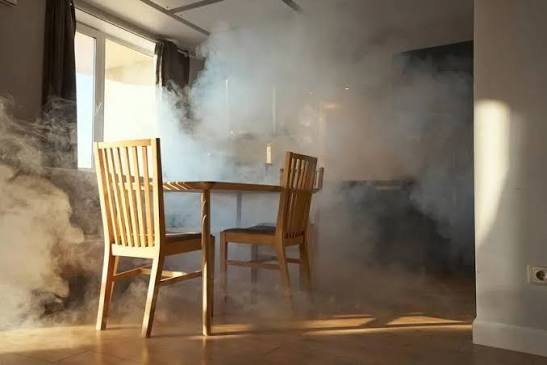
Fire damage mitigation may involve assessing fire, smoke, soot, and water damage while determining which areas require cleanup or further restoration.
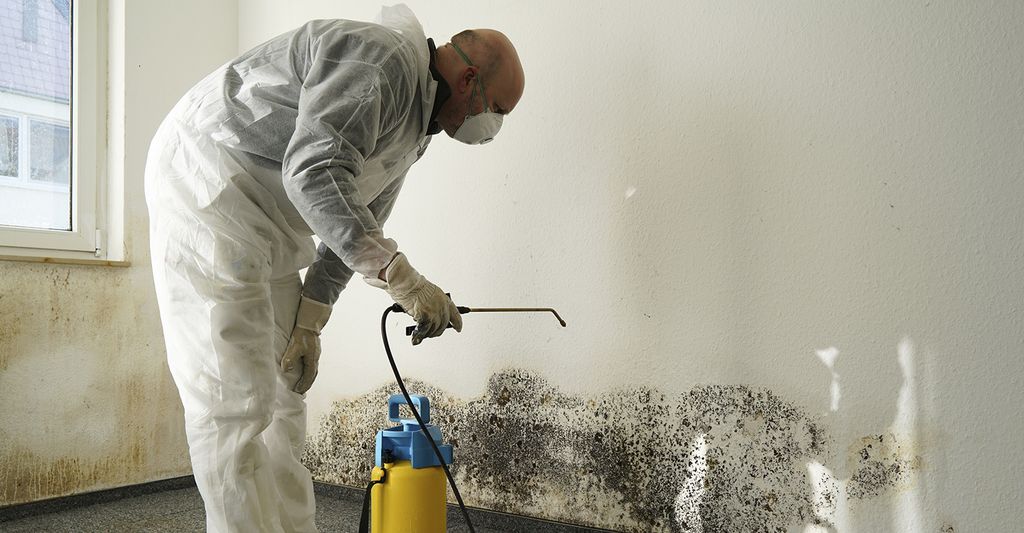
Mold remediation focuses on addressing mold-affected materials and the moisture conditions that allowed growth to occur.
The common goal is simple: prevent the damage from becoming worse.
Why Mitigation Should Begin Quickly
Property damage often continues developing after the original event ends.
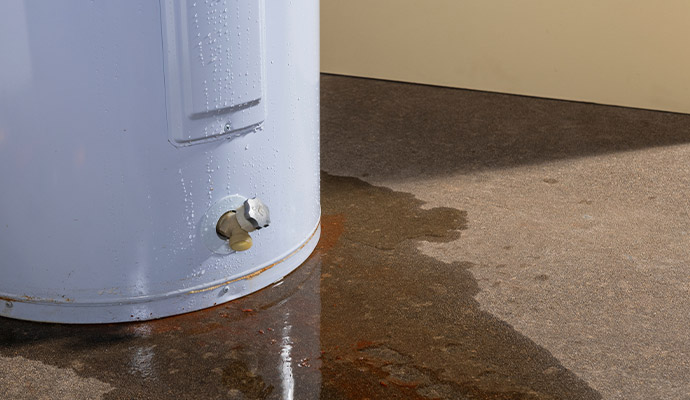
A broken pipe may be repaired, but water already inside the property can remain trapped beneath flooring and behind walls.
A storm may pass, but damaged exterior areas can allow additional moisture inside.
A fire may be extinguished, but smoke, soot, moisture, and damaged materials still need attention.
Fast mitigation helps identify these problems before they create additional complications.
That is why emergency mitigation companies such as Mitigate First provide 24/7 response.
Step 1: Initial Damage Inspection
The process usually begins with an inspection.
Technicians assess the visible damage and gather information about what caused the loss, when it occurred, and whether the source has been controlled.
For water damage, the team may inspect adjacent rooms, flooring, walls, cabinets, and lower levels to determine how far moisture traveled.
For storm or fire losses, additional damaged areas may need to be identified and documented.
The inspection helps establish priorities and create an appropriate mitigation plan.
Step 2: Control the Source or Immediate Hazard
Before mitigation can move forward effectively, the active cause of the problem should be controlled when possible.
A plumber may need to repair a broken pipe. An HVAC technician may need to correct an air-conditioning leak. A roofer or other qualified professional may need to address exterior damage.
Mitigation companies focus on the resulting property damage.
Separating these responsibilities is important because correcting the source and drying the property are two different jobs.
Stopping a leak prevents new water from entering, but it does not remove moisture that has already soaked into the building.
Step 3: Water Extraction When Needed
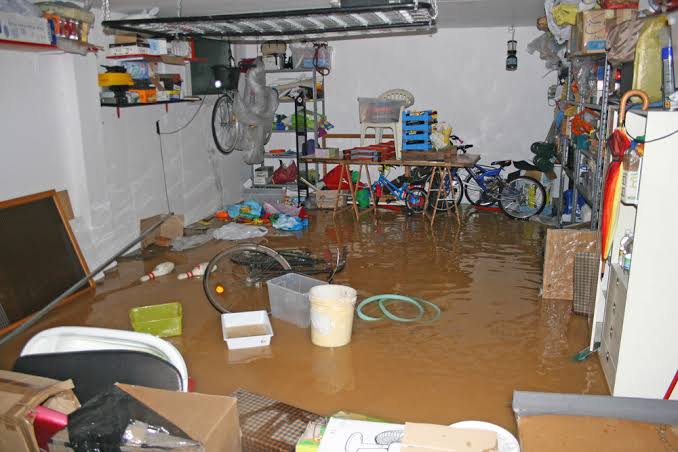
If standing water is present, professional extraction may begin quickly.
Water extraction helps remove large amounts of water from floors, carpet, and other affected areas.
The sooner standing water is removed, the sooner controlled drying can begin.
However, extraction is only one part of water mitigation.
Moisture may still remain in drywall, wood, insulation, flooring systems, cabinets, and other porous materials after visible water is gone.
Step 4: Moisture Assessment
Professional mitigation teams often use moisture-detection equipment to evaluate affected materials.
This step is important because damage may extend beyond what you can see.
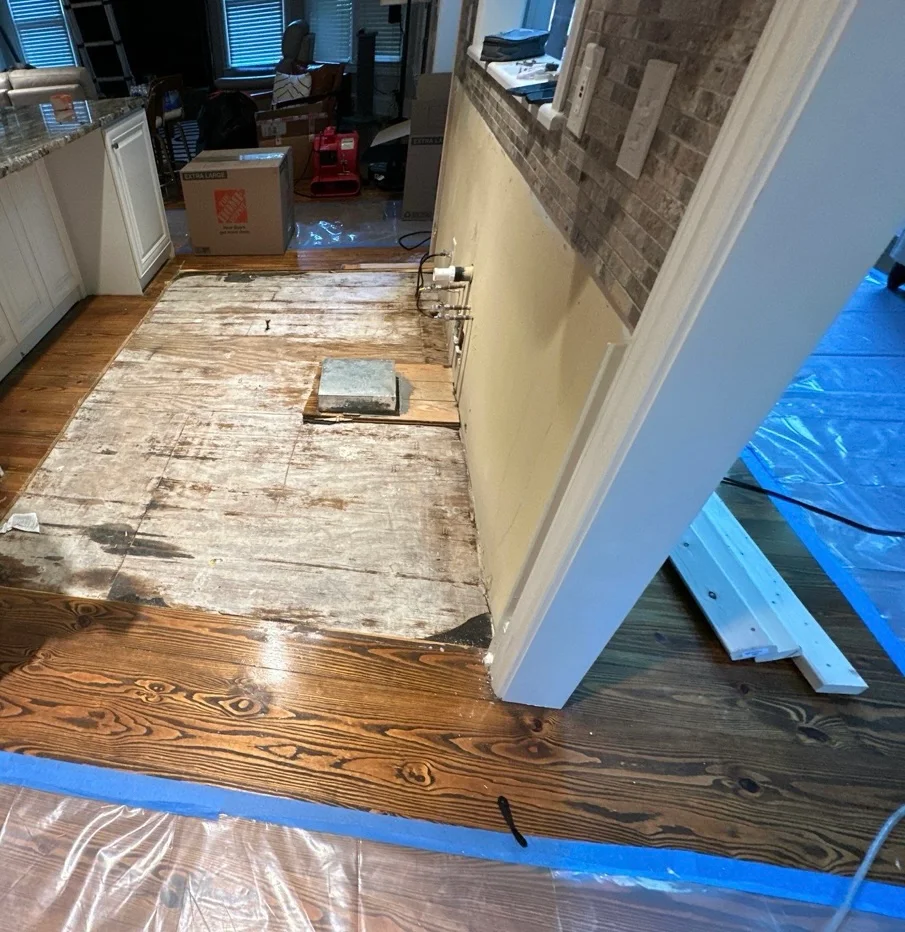
For example, water from a kitchen leak may travel underneath cabinets and flooring before reaching another room.
A ceiling leak may spread across insulation before staining becomes visible.
By establishing the boundaries of the affected area, technicians can develop a more complete drying plan.
Step 5: Evaluate Damaged Materials
Not every wet material automatically needs to be removed.
Depending on the situation, some building materials may be capable of drying in place.
Others may be too damaged, contaminated, deteriorated, or moisture-retentive to remain.
Professional mitigation involves evaluating each affected area rather than automatically removing everything.
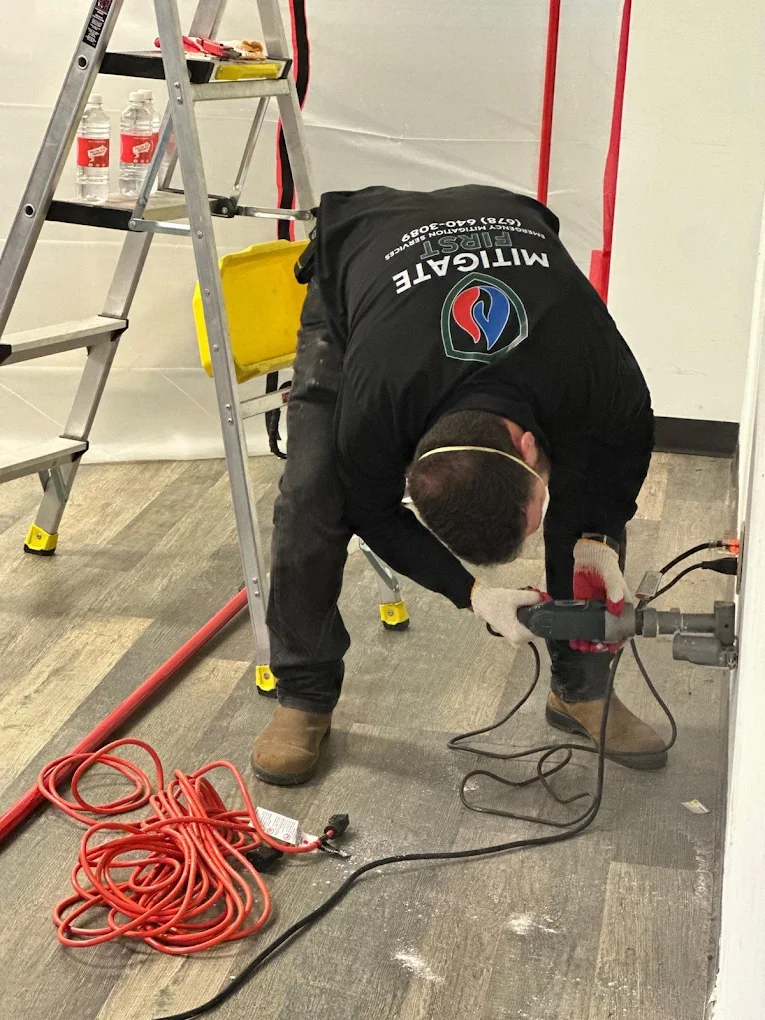
Selective demolition may sometimes be necessary to access trapped moisture, remove unsalvageable materials, or improve drying conditions.
Step 6: Structural Drying
After standing water is removed and affected materials are evaluated, structural drying begins.
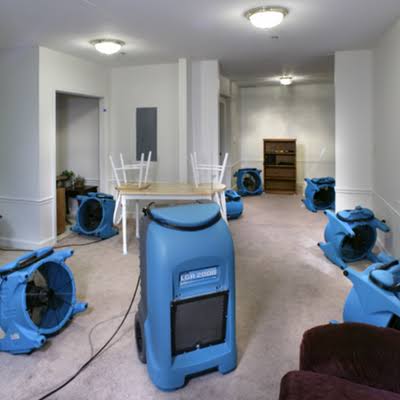
Professional air movers are positioned to promote evaporation from wet surfaces.
Dehumidifiers remove moisture from the air so the environment can continue supporting drying.
Equipment placement depends on factors such as room size, material type, moisture levels, and the extent of the damage.
Structural drying may take several days, and the equipment may be adjusted during the process.
Step 7: Monitor the Drying Process
A mitigation project should not end simply because surfaces look dry.
Technicians monitor moisture conditions to determine whether materials are progressing toward appropriate drying goals.
Moisture readings can help identify areas that need additional attention.
Equipment may be repositioned, added, or removed as conditions change.
This monitoring process creates a more controlled and measurable approach to drying.
Step 8: Address Mold When Necessary
Water and moisture problems can sometimes lead to mold growth.
If mold is discovered, remediation may become part of the recovery process.
Professional mold remediation involves more than spraying or wiping visible growth.
Affected materials and moisture conditions need to be evaluated, work areas may need containment, and materials may require careful removal or cleaning.
Most importantly, the moisture source must be addressed.
Without moisture control, mold problems may return.
Step 9: Documentation and Insurance Communication
Major property losses often involve insurance.
Mitigation companies may document affected areas, moisture conditions, equipment use, demolition, and other work performed during the project.
This documentation can help explain the scope of the damage and mitigation work.
Mitigate First can communicate directly with insurance carriers when appropriate.
However, mitigation professionals and insurance representatives perform different roles, and individual insurance coverage depends on the specific policy and circumstances of the loss.
Step 10: Transition Toward Restoration
Once mitigation is complete, the property can move toward restoration or reconstruction.
Mitigation controls and removes the immediate damage.
Restoration focuses on returning the affected property to its pre-loss condition as closely as practical.
Depending on the loss, that may involve replacing drywall, flooring, insulation, cabinets, paint, trim, or other finishes.
Some projects require only limited repairs, while larger losses may involve significant reconstruction.
Different Emergencies Require Different Mitigation Strategies
There is no single mitigation plan that works for every property.
A small dishwasher leak is very different from a multi-room flood.
Storm damage may involve water intrusion and exposed building materials.
Fire damage can involve smoke, soot, heat damage, water from firefighting efforts, and structural concerns.
Mold contamination requires specialized remediation practices.
The mitigation plan should reflect the actual conditions at the property.
Choosing a Property Damage Mitigation Company
When choosing a mitigation provider, look for a company that communicates clearly, responds quickly, documents its work, and uses trained professionals.
Mitigate First provides property damage mitigation for residential and commercial properties throughout Metro Atlanta.
The company offers 24/7 emergency response, free damage inspections, water extraction, structural drying, dehumidification, mold remediation, fire damage cleanup, storm damage mitigation, and related services.
Mitigate First’s lead technicians maintain active IICRC certifications and use professional mitigation practices when responding to property damage.
Protecting Your Property Starts With Quick Action
Water, fire, mold, and storm damage can feel overwhelming, but the first goal is not to solve everything at once.
The first goal is to stabilize the situation.
Control the source when possible. Protect people from immediate hazards. Determine how far the damage has spread. Remove water when necessary. Dry affected materials. Document the loss. Then move toward restoration.
If your Atlanta-area home or business experiences property damage, Mitigate First is available 24/7 to help assess the situation and begin the appropriate mitigation steps.
Acting quickly can help limit further loss and give your property a clearer path toward recovery.